Can You Use All Purpose Flour to Make Sourdough Starter?

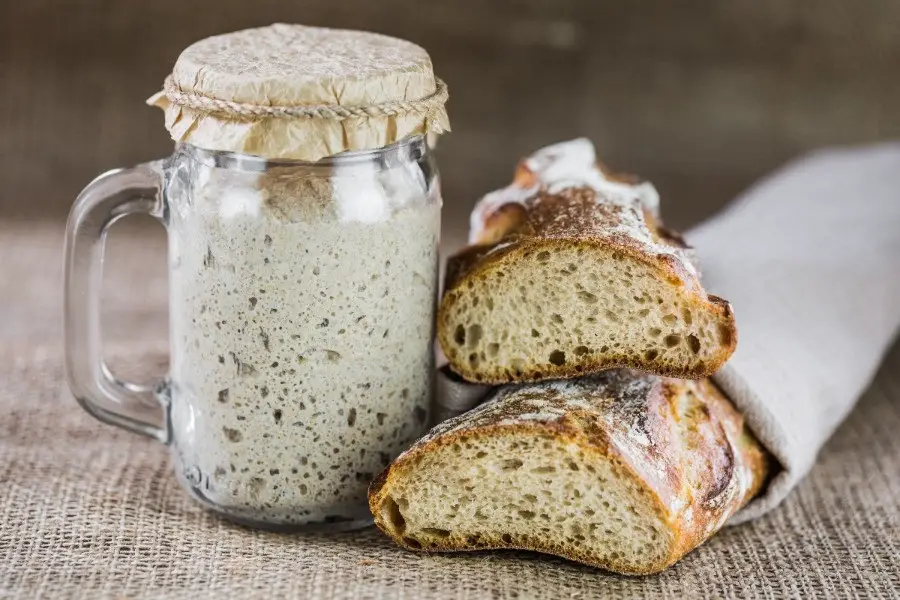
If you’ve ever stared at a loaf of sourdough in awe and wondered, Can I do that too?, I’m here to tell you: Yes, you absolutely can!
When it comes to creating that bubbly sourdough starter, you might think you need fancy flour from a mystical mill. But, here’s the kicker—humble all-purpose flour can get the job done.
So, roll up those sleeves, dust off your hands, and let’s explore how to make sourdough magic happen with good ol’ all-purpose flour.
Flour Power: The Basics of a Sourdough Starter
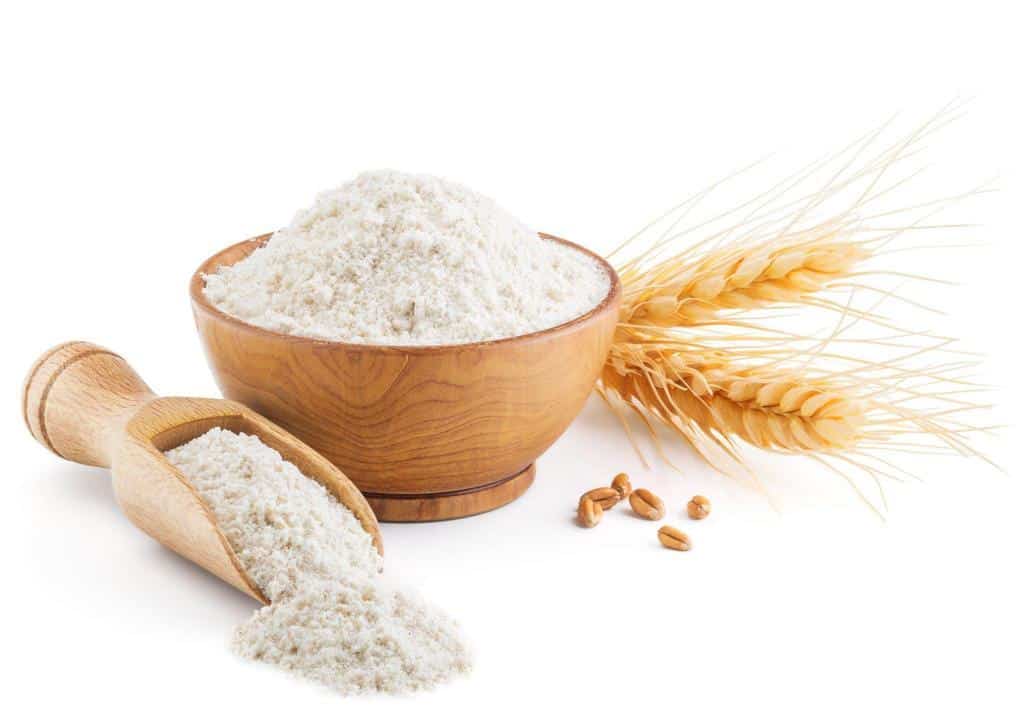
At its core, a sourdough starter is simply a mix of flour and water. Over time, natural yeast and bacteria get cozy, transforming this simple blend into a living culture ready to leaven bread. While some recipes call for specific flours—whole wheat, rye, or spelt, to name a few—don’t let that limit you.
All-purpose flour is like the dependable friend who shows up and gets the job done, even if it doesn’t have the same earthy nutrients as whole wheat or rye.
Here’s why all-purpose flour is a solid choice:
- Accessibility: Most of us have it at home, so you can start right away.
- Affordability: Specialty flours can get pricey; all-purpose is budget-friendly.
- Consistency: It creates a predictable starter, which can be easier to manage, especially if you’re a beginner.
The Science: All-Purpose Flour vs. Specialty Flours
How Different Flours Affect Your Starter
Let’s get a bit nerdy and dive into what makes different flours behave differently in a starter. Check out this quick comparison:
| Type of Flour | Yeast Content | Fermentation Speed | Flavor | Texture |
| All-Purpose Flour | Moderate | Medium | Mild, slightly sweet | Smooth, light |
| Whole Wheat Flour | High | Fast | Nutty, complex | Thick, coarse |
| Rye Flour | Very High | Fast | Earthy, tangy | Sticky, dense |
| Bread Flour | Moderate-High | Medium | Slightly more robust | Chewy, elastic |
All-purpose flour has a moderate yeast content, making it a good middle-ground option. It produces a mild starter flavor and a smooth texture, which gives you a more controlled fermentation process.
| Read: Can You Substitute Einkorn Flour for All-Purpose Flour? |
Step-by-Step Guide: Making a Sourdough Starter with All-Purpose Flour
Let the Magic Begin
Ready to create some sourdough starter magic with just water, flour, and patience? Let’s break down the steps. Each day, you’ll feed your starter, encouraging the natural yeast and bacteria to grow.
Ingredients
- 1/2 cup all-purpose flour
- 1/4 cup water (filtered if possible)
Day-by-Day Instructions
Day 1:
- Mix 1/2 cup of all-purpose flour and 1/4 cup of water in a clean jar. Stir until there are no dry bits left, cover with a cloth, and let it sit at room temperature.
Day 2:
- You might see a few bubbles forming! Remove half the starter, and add 1/2 cup of flour and 1/4 cup of water. Stir, cover, and wait.
Day 3:
- Your starter should smell a bit sour by now. Repeat the feeding: remove half, then add 1/2 cup of flour and 1/4 cup water. Stir and cover.
Days 4-7:
- Keep feeding daily. By Day 5 or 6, you’ll likely see a frothy, bubbly starter with a tangy aroma. That’s the yeast doing a happy dance! Once it doubles in size within 4-6 hours after feeding, it’s ready for bread.
What to Expect When You’re Expecting (a Starter)
From Bubbles to Tang, Knowing the Signs of Life
Every starter has its quirks, and it’s normal to feel a bit anxious about what’s happening in that jar. Here’s what to look out for:
- Bubbles: A good sign of yeast activity—tiny bubbles mean it’s alive!
- Sour Smell: By Day 3, your starter should smell pleasantly tangy.
- Rise and Fall: A well-fed starter will expand and then collapse slightly when it’s hungry again.
If you’re not seeing these signs right away, don’t fret. Sourdough is all about patience.
Why Choose All-Purpose Flour for Your Starter?
Let’s Talk Practicality and Simplicity
Using all-purpose flour has its benefits, especially if you’re new to sourdough. Since it’s less dense than whole-grain flours, all-purpose flour can be easier to mix and measure consistently. Plus, it doesn’t produce quite as tangy a starter as rye or whole wheat, making it perfect if you want a milder flavor profile in your bread.
Pros of All-Purpose Flour for Starters
- Easily Available: No special trip to a health food store.
- Affordable: You’ll need several cups over time, and all-purpose flour keeps it budget-friendly.
- Gentler Fermentation: Easier to control, especially in warmer climates.
Common Challenges with All-Purpose Flour Starters
When Things Go a Little Sour (But Not in the Good Way)
Every starter can hit a few snags. Here’s how to troubleshoot common problems:
- Starter Smells Like Alcohol or Nail Polish: This means it’s “hungry” and producing by-products. Try feeding it more frequently or switching to a slightly warmer spot.
- No Bubbles After Day 3: If it’s not bubbling by Day 3, it might need a little help. Try using warmer water or switch to unbleached flour if you’ve been using bleached.
- Liquid on Top: Known as “hooch,” this liquid is harmless but signals that your starter is hungry. Pour it off or stir it back in, then feed the starter.
Tips to Enhance Your All-Purpose Flour Starter
Getting the Best Rise for Your Bread
Want to take your starter up a notch? Here are some pro tips:
- Use Unbleached All-Purpose Flour: Bleaching agents can sometimes interfere with yeast growth, so go for unbleached if you can.
- Temperature Matters: Sourdough loves a warm environment. Try keeping your starter in a cozy spot, around 70-75°F.
- Hydration Consistency: Stick with the same flour-to-water ratio to keep your starter happy.
Baking with an All-Purpose Flour Starter
Turning Your Starter into Loaf Magic
Once your starter is bubbly and active, it’s time to bake! Here’s a quick checklist to get that sourdough loaf going:
- Test Your Starter’s Strength: Drop a teaspoon of starter into a glass of water. If it floats, it’s ready to use!
- Feed Before Baking: Plan a feeding a few hours before baking to get your starter at peak activity.
- Go with a Simple Recipe First: Try a basic sourdough recipe to understand how your starter performs before diving into complex techniques.
The Takeaway: You Can Absolutely Use All-Purpose Flour for Sourdough
Whether you’re a sourdough rookie or a seasoned baker, all-purpose flour can be your go-to for a starter. It’s accessible, affordable, and more than capable of creating a lively, bubbly culture to get your sourdough dreams rolling. So grab that jar, mix in some flour and water, and watch the magic happen. With each rise and fall, you’re one step closer to that warm, crusty loaf fresh out of your oven.
Happy baking!