Is Your Bean Sprout Still Fresh? Here’s How to Tell if It’s Gone Bad


There’s nothing quite like the satisfying crunch of fresh bean sprouts. I still remember the first time I added a handful to a simple stir-fry at home—the way they brightened the dish, adding both texture and a subtle freshness that made everything feel lighter and more vibrant. Since then, they’ve become a staple in my kitchen, whether I’m tossing sprouts into salads, layering them into a bánh mì, or using them to give a quick noodle dish that extra bite. But like many fresh ingredients, bean sprouts can be a little unpredictable. One day they’re crisp and inviting, and the next… something just feels off.
Have you ever opened your fridge, grabbed a pack of bean sprouts, and hesitated for a second? Maybe they look slightly slimy, smell a bit strange, or just don’t have that same snap you remember. It’s a small moment, but it comes with a big question—are they still safe to eat, or are you risking a hazardous experience? Knowing the difference isn’t always as obvious as it should be.
In this article, I’ll walk you through exactly how to tell if your bean sprouts are still fresh or past their prime. You’ll learn the key signs to look for, simple checks you can do in seconds, and practical tips to keep them fresh longer. By the end, you’ll feel more confident in your kitchen decisions—and avoid both food waste and unpleasant surprises on your plate.
The Bean Sprout Shelf Life Reality Check
Bean sprouts may look simple, but their freshness makes a big difference in both taste and safety. Because they’re grown in warm, moist conditions, they spoil faster than most vegetables. Fresh sprouts are crisp and mild, while older ones can quickly turn slimy and develop an unpleasant sprouts smell.
Average shelf life:
- Room temperature: 1–2 days
- Refrigerated (≤4°C): 5–7 days
- Improper storage can increase spoilage risk by up to 50%
Refrigeration slows bacterial growth, helping sprouts stay safe longer. Keeping them cold and dry is key, as higher temperatures speed up spoilage significantly.
| Type | Shelf Life | Notes |
| Store-bought | 5–7 days | Pre-washed, consistent |
| Homegrown | 3–5 days | Fresher but less stable |
Store-bought sprouts last longer due to controlled processing, while homegrown ones offer freshness but require careful storage.
Below are some surefire ways you can check if your bean sprouts are still fresh:
1. The Smell Test: Nose Knows Best
When it comes to determining if your bean sprouts are still fresh, your nose is your best friend. Fresh bean sprouts have a clean, neutral, and slightly earthy scent. If you notice any kind of sour, musty, or off-putting odor, that’s a major red flag. Spoiled bean sprouts often have a pungent, unpleasant smell that’s pretty hard to ignore.
- Fresh sprouts: Light, fresh scent.
- Spoiled sprouts: Sour, musty, or even rotting odor.
If you detect any of those funky smells, don’t even think twice. Toss them!
2. The Look Test: Color Matters
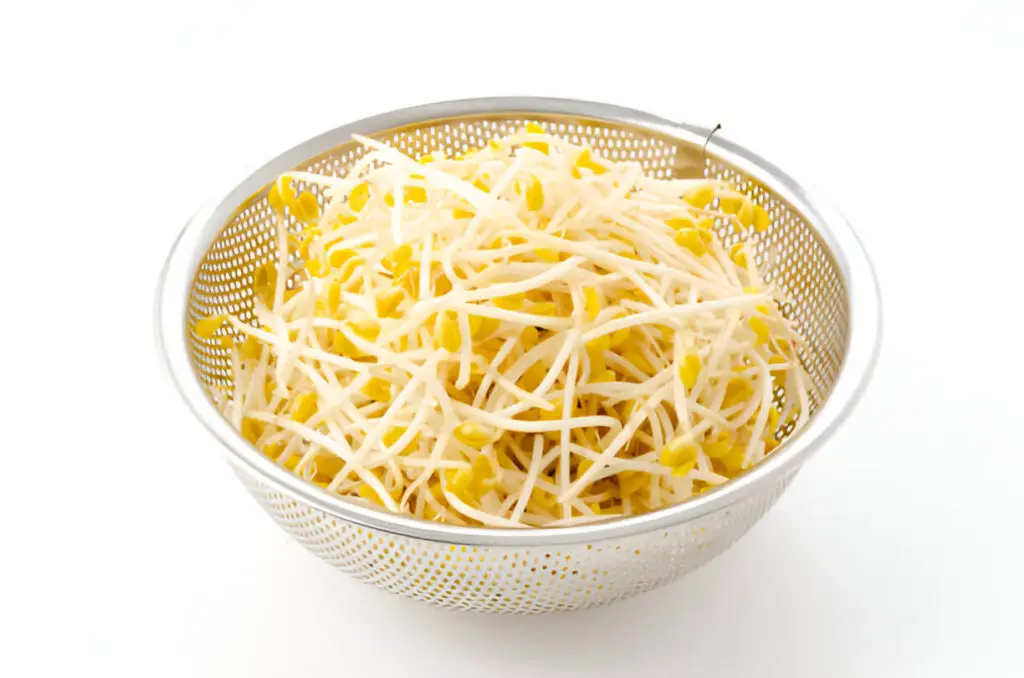
Fresh bean sprouts are usually pale white or off-white with a slight shine. They should look crisp and firm. When bean sprouts go bad, they start to show signs of discoloration. You might notice them turning a dull yellow or even brown, which signals that they’re past their prime. Any dark spots or mushy areas are also bad signs. These sprouts have seen better days and should be discarded.
- Fresh sprouts: Pale white with a glossy shine.
- Spoiled sprouts: Yellowing, brown spots, or mushy patches.
If your sprouts look anything but fresh, it’s best to part ways with them.
Read on: How to Prevent Food Poisoning From Bean Sprouts?
3. The Feel Test: Crispy vs. Limp
The texture of fresh bean sprouts is another key indicator of their freshness. When they’re in their prime, bean sprouts should be crisp and firm. If you pick one up and it feels limp, slimy, or soggy, you’ve probably caught them on their way out. Fresh sprouts should snap easily when bent, not bend and flop over like a wilting flower.
- Fresh sprouts: Crisp, firm, and snappy.
- Spoiled sprouts: Limp, soft, and slimy.
If they don’t have that signature crunch, it’s time to give them the boot.
4. The Taste Test: A Quick Bite
If you’re still unsure whether your sprouts are fresh or not, tasting them can help. Fresh sprouts have a clean, crisp flavor with a slight nuttiness. If they taste sour, bitter, or overly tangy, then they’ve probably gone bad. Trust your taste buds—they’re often the final judge!
- Fresh sprouts: Mild, nutty, and clean flavor.
- Spoiled sprouts: Sour, bitter, or overly tangy.
A quick nibble should tell you if they’re still good or not. If in doubt, don’t risk it!
5. The Storage Factor: How Long Have They Been in There?
Lastly, the length of time the bean sprouts have been stored is an important clue. Fresh bean sprouts typically last around 2-3 days in the fridge if stored properly. However, if you’re holding onto them for more than a week, you might want to start checking them more carefully. Canned sprouts, on the other hand, can last up to a few months if unopened but will only last a few days after being opened.
- Fresh sprouts: 2-3 days in the fridge.
- Spoiled sprouts: After a week, they’re probably past their prime.
What to Do If Your Bean Sprouts Are Bad?
If your bean sprouts have gone bad, don’t just toss them in the trash. Consider composting them instead! Bean sprouts are rich in nutrients, so they’ll break down quickly and add valuable matter to your compost pile.
But let’s be real—once you’ve experienced the joy of biting into a fresh, crunchy bean sprout, you’ll likely make sure to keep an eye on them so they don’t turn into mushy compost material in the first place.
In Conclusion: Fresh is Best
When it comes to bean sprouts, freshness is key. They’re delicious, nutritious, and oh-so-versatile, but once they’ve gone bad, they’re no longer safe or enjoyable to eat. Using your senses—the smell, look, feel, and taste tests—will help you determine if your sprouts are still in their prime or if it’s time to say goodbye.
So next time you’ve got a bag of sprouts hanging out in your fridge, do a quick check. Trust your senses, and if those sprouts are still good, enjoy them while they’re at their best.