Is Beef Tallow Good for Cooking? Here’s What You Need to Know

If you’ve spent any time exploring traditional cooking methods or scrolling through modern food trends, you’ve probably come across beef tallow. Once a kitchen staple, it quietly disappeared for decades—only to make a strong comeback in recent years.
So what’s the deal? Is beef tallow actually good for cooking, or is it just another nostalgic trend dressed up as something new?
The answer is more interesting than you might expect. Beef tallow isn’t just “good”—in many cases, it’s exceptional. But like any cooking fat, it comes with nuances you should understand before making it a regular part of your kitchen.
Let’s dig into what beef tallow is, how it performs, and whether it deserves a spot on your stove.
What Is Beef Tallow?
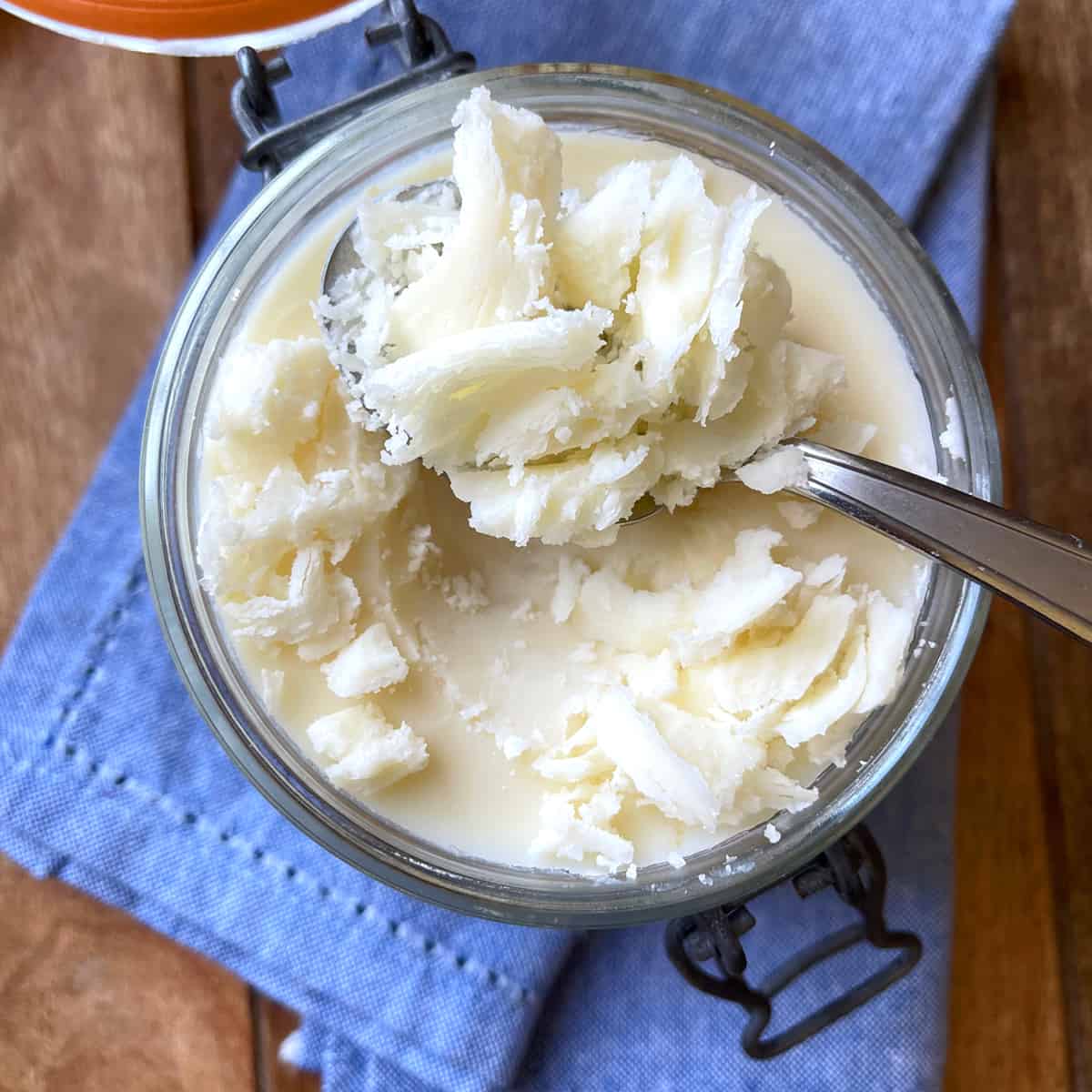
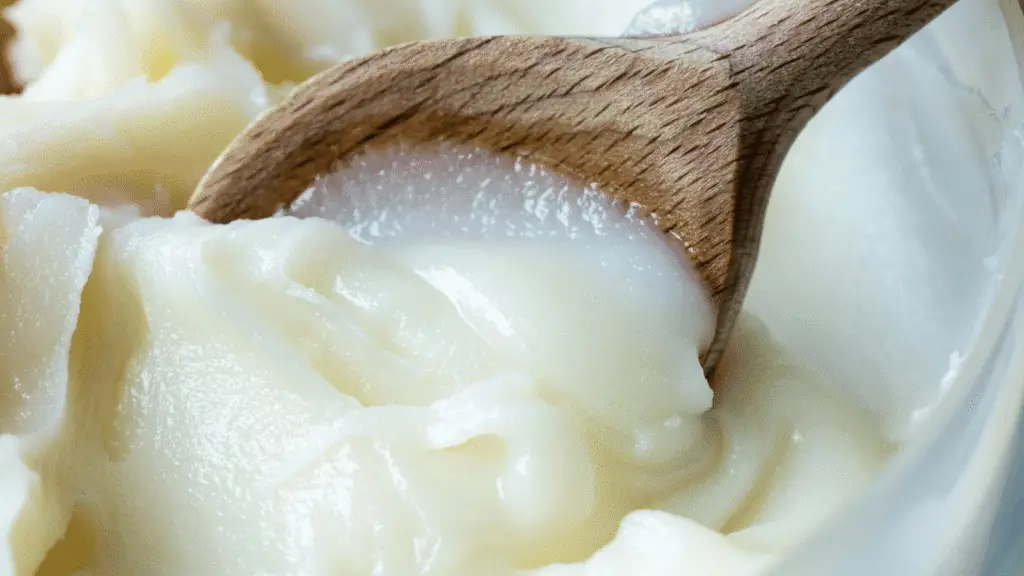
Beef tallow is rendered fat from cattle, typically taken from suet—the hard fat surrounding the kidneys. The rendering process involves slowly melting the fat, then straining it to remove impurities. Once cooled, it becomes a smooth, solid fat with a creamy white or pale yellow color.
Unlike processed cooking oils, beef tallow is a traditional fat that has been used for centuries in everything from frying to baking.
Its flavor is subtle but unmistakably rich, adding depth without overpowering a dish.
Why Is Beef Tallow Making a Comeback?
For years, animal fats were pushed aside in favor of vegetable oils. But more people are now returning to traditional cooking methods—and for good reason.
Here’s why beef tallow is gaining popularity again:
- High heat stability makes it ideal for frying
- Rich flavor enhances simple ingredients
- Minimal processing appeals to those seeking whole foods
- Versatility works across many cooking styles
Chefs and home cooks alike are rediscovering that older techniques often deliver better results.
How Beef Tallow Performs in Cooking
One of the biggest reasons people love beef tallow is how well it performs under heat. Not all fats are created equal, and tallow stands out in several key ways.
1. High Smoke Point
Beef tallow has a smoke point of around 200°C (400°F), making it suitable for high-heat cooking methods like frying and roasting the beef.
This means it won’t break down easily or produce unpleasant flavors when heated.
2. Excellent for Frying
Tallow creates a crisp, golden exterior while keeping the inside tender. This is why it was historically used for frying foods like potatoes.
3. Flavor Enhancement
Unlike neutral oils, beef tallow adds a subtle savory depth. It works especially well with:
- Potatoes
- Vegetables
- Meats
- Savory pastries
Nutritional Overview
Beef tallow is often discussed in the context of health, so it’s worth taking a balanced look at its nutritional profile.
| Component | Description |
| Saturated fats | Stable at high heat; provides structure |
| Monounsaturated fats | Also found in olive oil |
| Vitamins | Contains fat-soluble vitamins like A, D, E, and K |
| Calories | Energy-dense, like all fats |
It’s important to remember that tallow is still fat, so moderation matters.
Is Beef Tallow Healthy?
This is where things get a bit more nuanced.
For years, saturated fats were widely criticized. However, more recent discussions suggest that not all saturated fats should be viewed the same way.
Beef tallow, especially when sourced from high-quality meat, can be part of a balanced diet when used appropriately.
Potential Benefits
- Stable at high temperatures (less oxidation)
- Free from industrial processing
- May support satiety due to its fat content
Considerations
- High in calories
- Should be balanced with other fats
- Quality depends on sourcing
Rather than labeling it as strictly “healthy” or “unhealthy,” it’s better to see beef tallow as one tool among many in your cooking repertoire.
Comparing Beef Tallow to Other Cooking Fats
To understand its place in your kitchen, it helps to compare beef tallow with other common fats.
| Fat | Smoke Point | Flavor | Best Uses |
| Beef tallow | High | Rich, savory | Frying, roasting |
| Butter | Medium | Creamy | Baking, sautéing |
| Olive oil | Medium | Fruity | Dressings, light cooking |
| Vegetable oil | High | Neutral | Frying |
Beef tallow stands out for its combination of stability and flavor.
Best Ways to Use Beef Tallow
If you’re new to cooking with tallow, start with simple applications. It shines when used in everyday dishes.
Frying
Perfect for foods that benefit from crispiness:
- French fries
- Fried chicken
- Hash browns
Roasting
Toss vegetables in melted tallow before roasting for a golden, flavorful finish.
Sautéing
Use it in place of oil for cooking onions, garlic, or meats.
Baking (Yes, Really)
Tallow can be used in savory pastries or even as a substitute for shortening in certain recipes.

How to Cook with Beef Tallow (Step-by-Step)
Getting started is easy. Here’s a simple guide:
- Melt the tallow gently
Scoop out the amount you need and warm it in a pan. - Preheat your pan
Let the tallow heat until it shimmers slightly. - Add your ingredients
Avoid overcrowding for better results. - Cook as usual
Use it just like oil or butter. - Store properly
Keep leftover tallow in a sealed container at room temperature or in the fridge.
Read on: Can You Use High Heat for Beef in a Slow Cooker? Pros and Cons
Common Mistakes to Avoid
Even though beef tallow is forgiving, a few mistakes can affect your results:
- Using too much – It’s rich, so a little goes a long way
- Overheating unnecessarily – High heat is fine, but not always needed
- Ignoring flavor pairing – Works best with savory dishes
- Poor storage – Exposure to air can affect quality
Does Beef Tallow Taste Like Beef?
This is a common question.
The answer: slightly, but not strongly.
Good-quality tallow has a mild, clean flavor. It enhances food rather than overpowering it. If it tastes too “beefy,” it may not have been properly rendered.
Sourcing Matters
Not all beef tallow is created equal.
For the best results, look for:
- Grass-fed or high-quality sources
- Properly rendered and filtered fat
- Minimal additives or processing
Better ingredients lead to better flavor—and better cooking results overall.
Read on: Does Spam Contain Beef? Spam Ingredients Exposed
Environmental and Practical Considerations
Using beef tallow can also be seen as a way to reduce waste. It makes use of parts of the animal that might otherwise be discarded.
From a practical standpoint, it’s also:
- Long-lasting
- Cost-effective when made at home
- Easy to store
Is Beef Tallow Right for You?
So, should you start cooking with beef tallow?
It depends on your preferences and cooking style.
It’s a great choice if you:
- Enjoy rich, savory flavors
- Cook at high temperatures
- Appreciate traditional cooking methods
You might skip it if you:
- Prefer neutral-tasting oils
- Avoid animal products
- Cook mostly light or delicate dishes
Final Thoughts
Beef tallow is more than just a relic of the past—it’s a powerful, versatile cooking fat that delivers both flavor and performance.
Its ability to handle high heat, enhance taste, and connect you to traditional cooking methods makes it a valuable addition to any kitchen.
While it’s not the only fat you should use, it’s certainly one worth exploring. Whether you’re frying crispy potatoes or roasting vegetables to perfection, beef tallow has a way of elevating simple dishes into something memorable.
In the end, good cooking is about understanding your ingredients—and beef tallow is one that truly rewards those who take the time to use it well.