Why Browning Beef Before Stew Makes All the Difference

There’s something deeply comforting about a pot of beef stew slowly bubbling away. The aroma fills the kitchen, promising warmth, richness, and a meal that feels like home. But if your stew has ever tasted a little flat or lacked depth, the issue may come down to one simple step: browning the beef.
It might seem like an optional extra—something you can skip when you’re short on time—but browning beef before adding it to your stew is one of the most important techniques in cooking. It’s the difference between a decent stew and one that tastes like it’s been simmering in a chef’s kitchen for hours.
Let’s break down why this step matters so much, and how to do it right.
What Does “Browning Beef” Actually Mean?
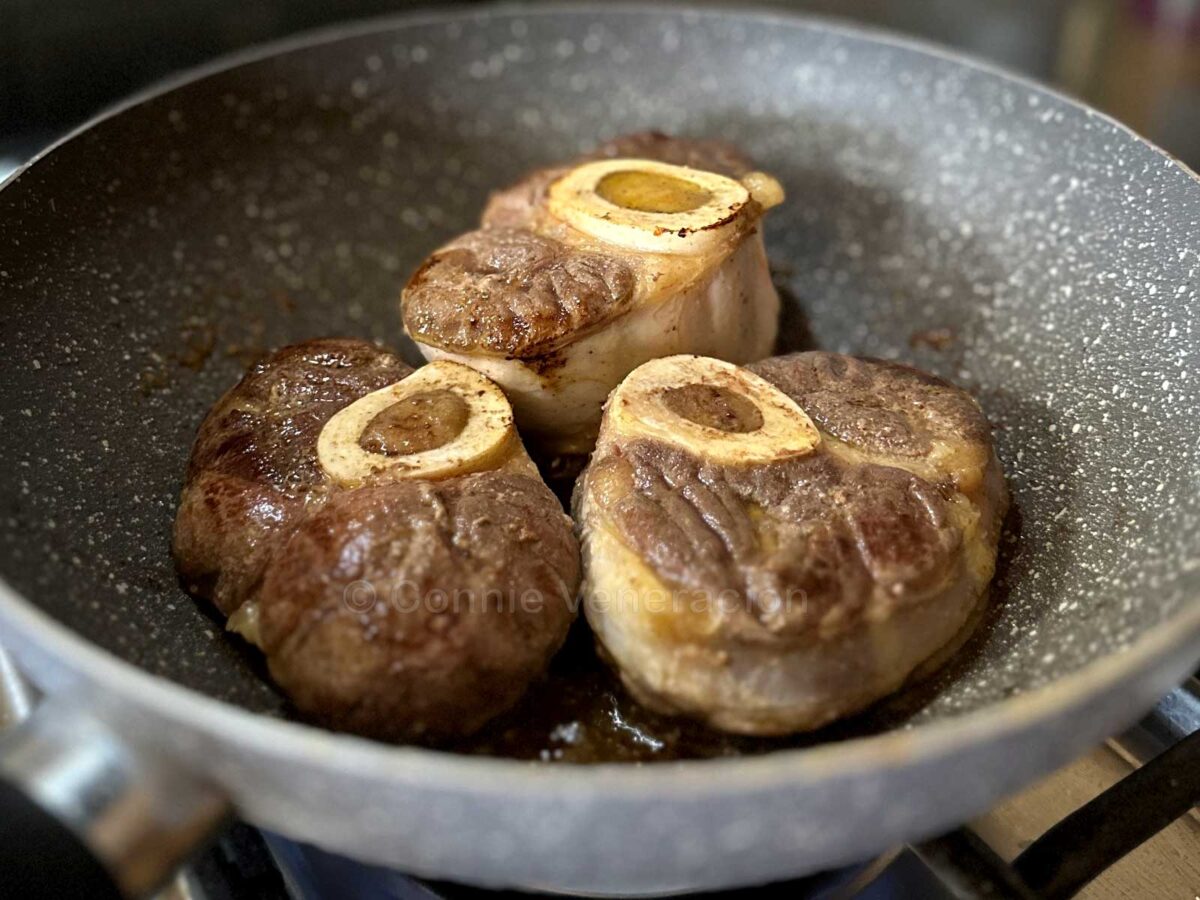
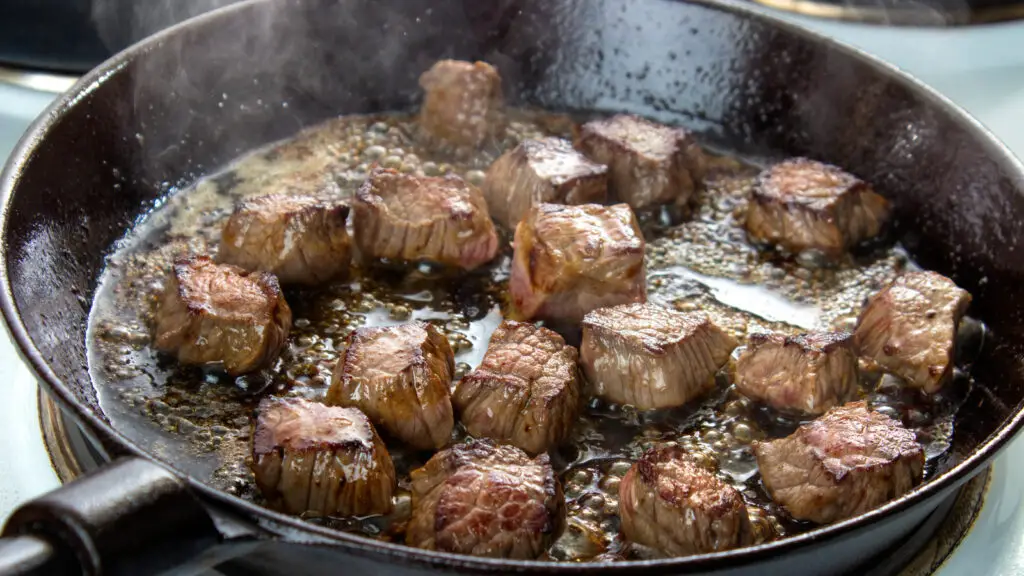
Browning beef refers to searing the surface of the meat in a hot pan until it develops a deep, golden-brown crust. This isn’t about cooking the meat all the way through. Instead, it’s about building flavor on the outside.
When beef hits a hot surface, a chemical reaction occurs that transforms its flavor. This reaction creates complex, savory notes that you simply can’t achieve by boiling or simmering alone.
The result? A stew that tastes richer, deeper, and far more satisfying.
The Science Behind the Flavor
When you brown beef, you’re triggering what’s known as the Maillard reaction. This process occurs when proteins and sugars in the meat are exposed to high heat, creating hundreds of new flavor compounds.
Instead of tasting just like “beef,” the meat develops layers of flavor—nutty, roasted, slightly sweet, and deeply savory.
Without browning, your stew relies only on simmering to build flavor. While slow cooking does tenderize the meat, it doesn’t create the same complexity. The result can taste one-dimensional, even if you’ve added herbs and spices.
Why Browning Beef Makes Such a Big Difference
Skipping the browning step might save you 10–15 minutes, but it costs you a lot more in flavor. Here’s what you gain by taking the time to sear your beef:
1. Deeper, Richer Flavor
Browning creates a caramelized crust that adds intensity to the entire stew. These flavors spread into the broth as the stew cooks.
2. Better Texture
Seared beef holds its structure better during long cooking. Instead of falling apart too quickly, it becomes tender while still maintaining a satisfying bite.
3. Enhanced Aroma
That mouthwatering smell when you cook stew? Much of it comes from the browned meat. It sets the stage for the entire dish.
4. A More Appealing Appearance
Browning gives the meat a darker, richer color, which translates into a more visually appealing stew.
What Happens If You Skip Browning?
You can technically add raw beef directly into a stew, and it will still cook through. But here’s what you might notice:
| Without Browning | With Browning |
| Mild, flat flavor | Deep, layered flavor |
| Pale, less appetizing color | Rich, dark appearance |
| Softer, sometimes mushy texture | Firm, tender texture |
| Less aroma | Strong, savory aroma |
In short, skipping browning doesn’t ruin your stew—but it limits its potential.
How to Brown Beef Properly
Browning beef isn’t complicated, but doing it well requires a bit of attention. Here’s a simple step-by-step guide:
Step 1: Pat the Beef Dry
Moisture is the enemy of browning. Use paper towels to dry the surface of the meat thoroughly.
Step 2: Cut Even Pieces
Uniform chunks cook evenly and brown more consistently.
Step 3: Use the Right Pan
A heavy-bottomed pan or Dutch oven works best because it holds heat evenly.
Step 4: Heat the Oil Properly
Add a small amount of oil and heat it until it shimmers. The pan should be hot before the beef goes in.
Step 5: Don’t Crowd the Pan
This is one of the most common mistakes. If you add too much beef at once, it will steam instead of brown. Cook in batches if needed.
Step 6: Let It Sear
Resist the urge to stir constantly. Let the beef sit so it can develop a crust.
Step 7: Turn and Repeat
Brown all sides for maximum flavor.

The Secret Bonus: Fond
After browning, you’ll notice brown bits stuck to the bottom of the pan. These are called “fond,” and they’re packed with flavor.
Don’t throw them away.
Instead, deglaze the pan by adding a liquid—like oxtail broth, wine, or even water—and scraping up those bits. This creates a flavorful base that enhances the entire stew.
Common Mistakes to Avoid
Even though browning is simple, a few missteps can prevent you from getting the best results:
- Using low heat: This causes the meat to release moisture instead of searing
- Skipping the drying step: Wet meat won’t brown properly
- Overcrowding the pan: Leads to steaming instead of browning
- Moving the meat too soon: Prevents crust formation
- Using the wrong oil: Choose oils with a high smoke point, like vegetable or canola oil
Avoiding these mistakes can instantly improve your cooking results.
Does Browning Affect Cooking Time?
Not significantly. While browning adds a short prep step, it doesn’t increase the overall cooking time of your stew in a meaningful way.
In fact, it can improve efficiency. Because browned meat brings more flavor upfront, you may not need to rely on long simmering or extra seasoning to achieve the same depth.
Can You Brown Beef Ahead of Time?
Yes, and it’s a great time-saving strategy.
You can brown your beef in advance and store it in the refrigerator for a day or two before making your stew. This is especially helpful if you’re planning meals ahead or cooking for a busy week.
Just make sure to store both the beef and any collected juices—they contain valuable flavor.
Is Browning Always Necessary?
While browning is highly recommended, there are a few situations where you might skip it:
- When you’re in a hurry and need a quick meal
- When using a slow cooker and prioritizing convenience
- When making a very light, beef broth-based stew
That said, even in these cases, browning can elevate the final dish significantly. Many slow cooker recipes still recommend searing the meat first for this reason.
Check out: Should You Brown Meat Before Using a Pressure Cooker? Pros and Cons
Tips for Maximum Flavor
If you want to take your stew to the next level, try these additional techniques:
Season Before Browning
Adding salt and pepper to the beef before searing helps build flavor from the start.
Use Butter and Oil Together
Oil prevents burning, while butter adds richness.
Add Aromatics After Browning
Onions, garlic, and herbs can be sautéed in the same pan after the beef, soaking up all that flavor.
Deglaze with Wine
A splash of red wine adds depth and balances the richness of the beef.
A Simple Flavor Comparison
Imagine two pots of stew side by side:
- One made with raw beef added directly into broth
- One made with carefully browned beef, deglazed fond, and layered flavors
The first will taste fine—warm, filling, and comforting.
The second will taste like something you’d order at a restaurant: bold, complex, and deeply satisfying.
That difference comes down to just a few extra minutes at the beginning.
Read on: Can You Add Brown Gravy Mix to Pot Roast? (Thickening and Taste Hacks)
Final Thoughts
Browning beef before adding it to stew isn’t just a cooking step—it’s a flavor-building technique that transforms the entire dish.
It adds richness, improves texture, and creates a depth that slow cooking alone can’t achieve. While it might feel tempting to skip when you’re pressed for time, those extra minutes pay off in every bite.
If you want your stew to stand out—whether you’re cooking for family, guests, or just yourself—start with a good sear.
Because in the world of comfort food, small details make a big difference.