Do Butchers Put Food Coloring in Meat? How to Avoid Food Dyes

Have you ever noticed how some cuts of meat look incredibly vibrant—almost too perfect? Is the brilliant shade of red in some cuts of meat seemingly too perfect? If you’re like me, your first thought might be, “Is there something in this meat that shouldn’t be there?”
The idea that butchers might use food coloring to enhance the look of meat isn’t a new concern, and it’s something that has crossed my mind more than once as I stood at the butcher counter.
So, let’s dive into the heart of the matter: Do butchers really put food coloring in meat? And if they do, how can you avoid those dyes while still getting the best cuts? Grab a seat because we’re about to unwrap this issue like a juicy steak.
The Red, the Bloody, and the Not So Pretty Truth About Meat Coloring
When you pick up a piece of meat from your local butcher or grocery store, you’re probably drawn to its rich, red color. We associate bright, fresh-looking meat with quality. But is this all just an illusion? Are food dyes creeping into your steak, roast, or chicken breast?
Well, here’s the good news: In most cases, no, butchers don’t use food coloring to make meat look fresh. The deep red color of meat comes primarily from a protein called myoglobin, which stores oxygen in muscle cells. When exposed to oxygen, the myoglobin takes on a bright red hue, which is what you see in your meat. It’s nature’s way of showing off its freshness.
However, there are a few caveats that might make things less than straightforward.
Why the “Fresh” Red Meat Color May Be Misleading
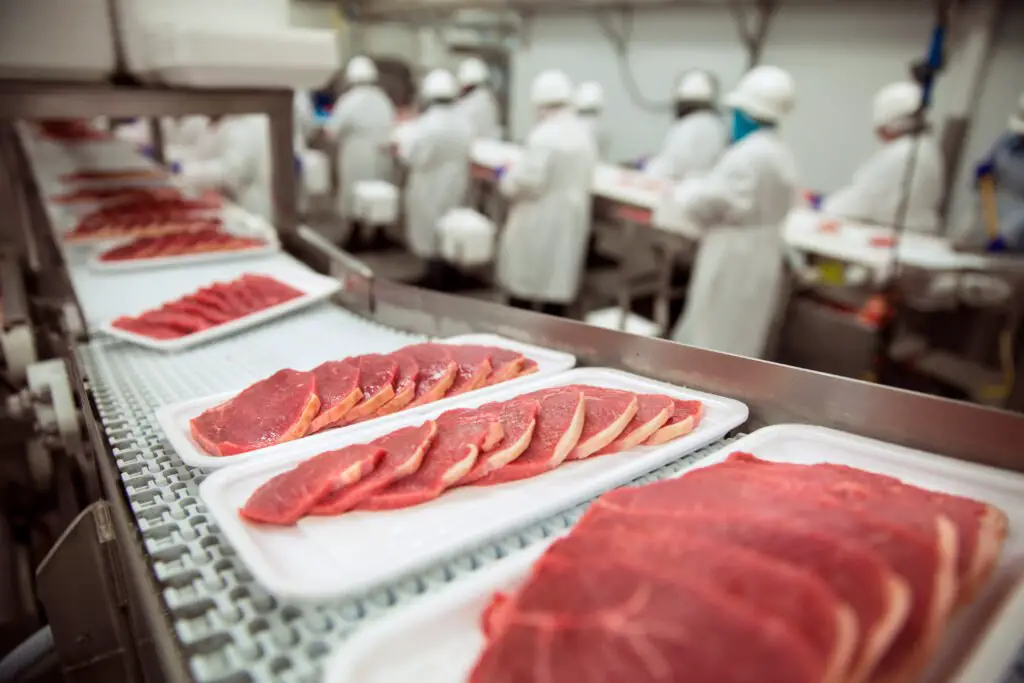
While it’s rare for butchers to use actual food coloring in meat, the meat industry does have some tricks up its sleeve to maintain that fresh, red appearance. Let me take you behind the curtain and show you how this works:
- Carbon Monoxide Packaging
One of the most common practices used to preserve that red look is packaging meat in a vacuum-sealed environment with small amounts of carbon monoxide. This gas helps maintain the red color by preventing the meat from turning brown. It’s a controversial practice in some circles, as some believe it masks the true freshness of the meat, but it isn’t technically a food dye. However, it’s a technique that can be misleading because the meat may look fresher than it is. - The Role of Sodium Nitrite
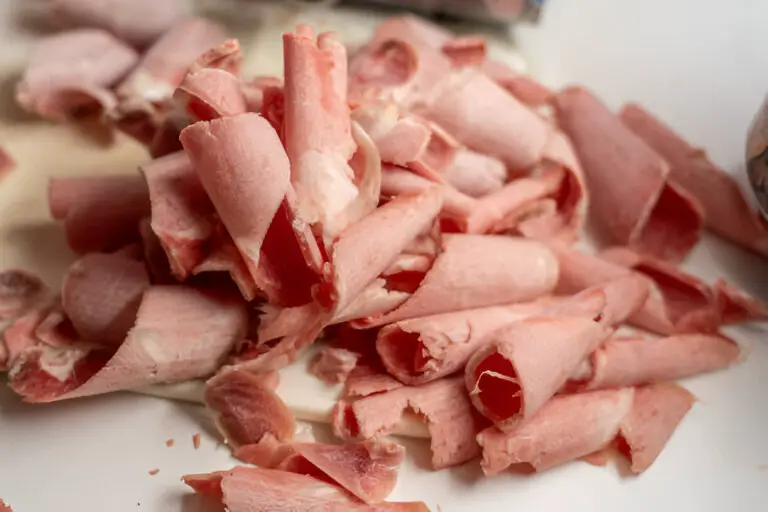
Some processed meats, like hot dogs or deli meats, are treated with sodium nitrite, a preservative that helps maintain color and extends shelf life. It’s not exactly a “colorant” in the traditional sense, but it does contribute to the pinkish hue you see in things like ham or bacon. While nitrites aren’t harmful in small quantities, they do raise concerns due to their potential links to health issues like cancer. But don’t worry—fresh cuts of meat don’t undergo this treatment. - Hormones and Antibiotics
While hormones and antibiotics aren’t added to change the color of meat directly, they can influence the overall quality and texture of the meat, which can sometimes affect its appearance. For example, meat from animals treated with growth hormones may have a slightly different look, though this is more about texture than color.
So, Why Does This Matter? Understanding the Risks of Food Dyes
Now that we’ve established that butchers don’t generally use food coloring in meat, let’s talk about the real issue: Why should we care about food dyes in the first place?
If you’ve ever seen a package of brightly colored food or candy, you might have questioned whether artificial colors are good for your health. In fact, some food dyes have been linked to health concerns, including hyperactivity in children, allergies, and even cancer.
For example, Red 40, Yellow 5, and other synthetic dyes have been under fire for potential links to behavior issues and other health risks. But here’s the kicker: These synthetic dyes are banned from being used in most raw meats. So, the odds of encountering harmful food dyes in your butcher’s shop or grocery store meat aisle are pretty slim.
| Read: Can I Freeze Meat In-Store Packaging? |
How to Avoid Unwanted Chemicals in Your Meat
If you’re trying to avoid unnecessary chemicals or dyes in your diet (and let’s face it, who wouldn’t want to keep their food as natural as possible?), here are a few tips that will help you steer clear of unnecessary additives:
- Buy Organic or Grass-Fed Meat
One of the best ways to avoid chemicals and hormones is by buying organic or grass-fed meat. These types of meat are often free from antibiotics and artificial growth hormones. They also tend to have more natural marbling and a fresher color, so you won’t have to worry about any artificial tricks to keep things looking fresh. - Look for “No Added Preservatives” Labels
If you’re purchasing pre-packaged meat, always look for labels that say “no added preservatives” or “no artificial ingredients.” This will help ensure you’re avoiding unnecessary chemicals and preservatives, including those used for color enhancement. - Ask Your Local Butcher
If you’re buying meat from a butcher shop, don’t be afraid to ask questions. Most butchers are more than happy to explain how they source and prepare their meat. Ask about the types of packaging they use and whether any additives are involved. A good butcher will be transparent about their practices and ensure that you’re getting high-quality, untainted cuts. - Opt for Whole Cuts Instead of Pre-Packaged Meat
If you want to take control of your meat’s color and quality, go for whole cuts that haven’t been pre-packaged or vacuum-sealed. These cuts are typically fresher, and you can see the meat’s natural color, which should be a good indicator of its freshness. - Watch for “Bright Red” Flags
If you see meat that’s unnaturally red or has been sitting out for a while, it could be a sign that something’s off. Naturally, meat starts to brown as it ages, so a deep, dark red color can sometimes indicate that carbon monoxide has been used to preserve the color, which may not always be ideal if you prefer more transparency in your food choices.

How Can You Tell If Your Meat is Fresh?
It’s easy to get overwhelmed by the dazzling display of meat at the grocery store. With so many cuts wrapped in plastic or butcher paper, how can you really know if what you’re buying is fresh? Here’s what you can do:
| Sign | What It Means |
| Bright Red Color | Fresh meat, possibly treated with CO to maintain color |
| Brown or Darkened Meat | Natural aging, or meat that’s nearing the end of its freshness |
| Firm Texture | High-quality, fresh meat—press it gently with your finger, and it should spring back |
| Smell | Fresh meat should have a clean, neutral smell. If it smells sour or off, it’s past its prime |
| Check out: Best Cheap Meats for Philly Cheesesteak |
Final Thoughts: Choosing Meat Without the Tricks
At the end of the day, the meat you buy is a reflection of your values and health choices. While food coloring may not be an issue for fresh cuts of meat, other additives and preservatives can still creep into your diet, especially when dealing with processed or pre-packaged meats. To ensure you’re getting the best, most natural product, pay attention to labels, ask questions, and whenever possible, choose organic, grass-fed meat.
As we’ve seen, butchers typically don’t use food coloring, and the vibrant red color you see on your steak or roast is more likely the result of packaging or natural processes than any artificial tricks.
By being a savvy shopper and knowing what to look for, you can feel confident that your meat is both fresh and free from harmful additives. So, next time you’re standing at the butcher’s counter, you can confidently grab that steak or roast without a second thought—because you know exactly what’s on your plate.