Can You Freeze Cookie Dough in Tupperware or Plastic Containers?

Baking cookies is a delightful experience, but sometimes, you just don’t have the time to bake them all at once. Maybe you want to prepare them in advance for a special occasion or have a stash of cookie dough ready to go for those unexpected guests.
In situations like these, freezing your cookie dough can be a real lifesaver. But can you freeze cookie dough in Tupperware or plastic containers?
The answer is not so simple. While some plastic containers are freezer-safe, others can crack and leak when frozen, ruining your precious cookie dough.
In this article, we’ll guide you through the dos and don’ts of freezing cookie dough in plastic containers, so you can enjoy freshly baked cookies whenever you want!
Benefits of Freezing Cookie Dough in Tupperware or Plastic Containers
Freezing cookie dough in Tupperware or plastic containers has several benefits. Firstly, it’s a great way to save time and prepare for unexpected events. By having pre-made cookie dough in your freezer, you can easily whip up fresh-baked cookies without having to start from scratch. This can be especially helpful during busy holiday seasons or when you need a quick dessert for unexpected guests.
Secondly, it can help preserve the dough’s freshness and flavor. Tupperware and other plastic containers don’t let air in, so they keep out moisture and smells. This means that the dough will retain its original taste and texture for longer periods of time. Also, storing cookie dough in plastic containers makes it less likely that it will get freezer burn, which can ruin the taste and texture of the cookie dough.
Thirdly, freezing cookie dough in Tupperware or plastic containers can be a great way to reduce food waste. If you have leftover cookie dough after baking, instead of letting it go to waste, you can simply store it in a Tupperware container and freeze it for later use. This way, you won’t have to throw away perfectly good dough, and you can enjoy freshly baked cookies at a later time.
Can You Freeze Cookie Dough in Tupperware?
Yes, you can freeze cookie dough in Tupperware! Tupperware or other plastic containers are great for storing cookie dough in the freezer. However, it’s important to properly prepare the dough and the container before freezing to ensure the best results.
When freezing cookie dough in Tupperware, make sure the dough is well-wrapped and sealed to prevent freezer burn. It’s best to wrap the dough in plastic wrap or aluminum foil first, then place it in the Tupperware container. This will help keep the dough fresh and prevent ice crystals from forming on the surface, which can damage the texture and flavor of the dough.
It’s also important to use the right-sized container. Choose a container that’s just the right size for the amount of cookie dough you’re freezing. This will help minimize the amount of air in the container, which can cause freezer burn and impact the dough’s quality.
Before freezing, make sure the container is clean and dry. Moisture can lead to freezer burn and cause the dough to stick to the container. If you’re using a Tupperware container, make sure it’s airtight and has a good seal to prevent any air from getting in.
When you’re ready to use the frozen cookie dough, simply take it out of the freezer and let it thaw in the refrigerator for a few hours or overnight. Once it’s thawed, you can roll the dough into balls and bake it as you would with fresh dough.
Are All Tupperware Containers Freezer Safe?
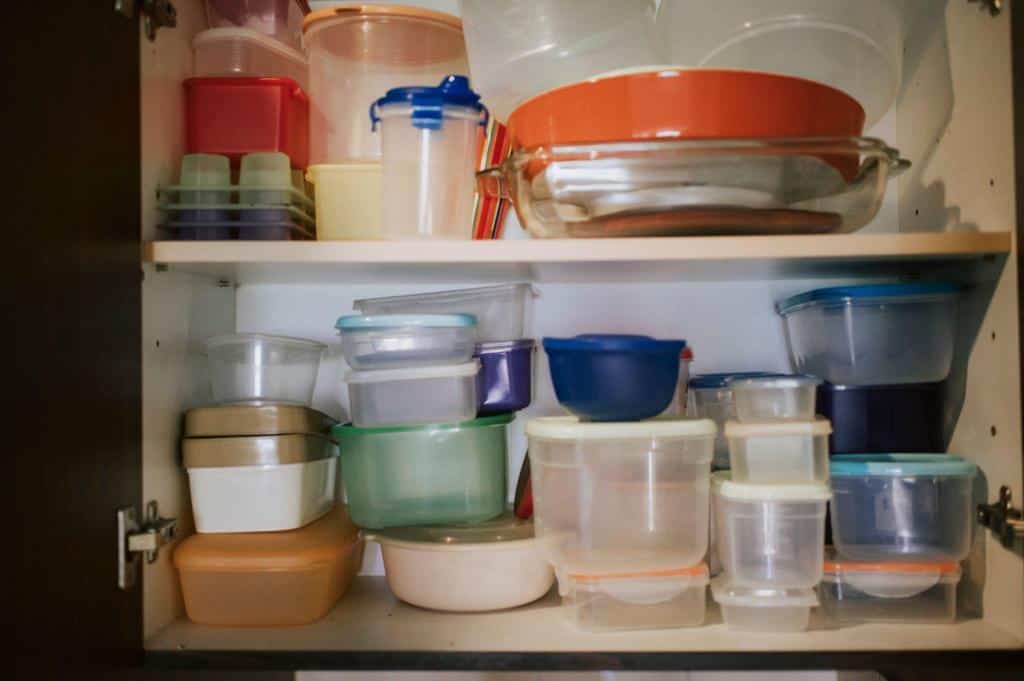
When it comes to freezing food in plastic containers, not all containers are created equal. While Tupperware is a popular brand known for its high-quality and durable plastic containers, not all Tupperware containers are suitable for freezing. Before placing your cookie dough in a Tupperware container and popping it in the freezer, it’s important to check whether the container is freezer-safe.
To determine if a Tupperware container is freezer-safe, look for the snowflake symbol on the bottom or side of the container. This symbol means that the container has been checked and found to be safe to use in the freezer. If you don’t see the snowflake symbol, it’s best to avoid putting your container in the freezer.
WARNING
Freezing food in a non-freezer-safe container can lead to cracks, leaks, and even chemical leaching from the plastic into the food.
It’s also important to note that even if a Tupperware container is labeled as freezer-safe, it may not be suitable for long-term freezer storage. Over time, plastic can become brittle and develop cracks, which can compromise the integrity of the container and affect the quality of the frozen food inside. Use Tupperware containers made for the freezer for the best results, and don’t freeze food for long periods of time.
If you’re unsure whether a Tupperware container is freezer-safe or not, it’s always better to err on the side of caution and choose a container specifically designed for freezer use. There are many different types of freezer-safe plastic containers available, including ones with airtight lids that help prevent freezer burn and keep your food fresh for longer. With the right container, you can freeze cookie dough, leftovers, and other foods with confidence, knowing that they will remain fresh and delicious until you’re ready to enjoy them.
Choosing the Right Plastic Container for Freezing Cookie Dough
When freezing cookie dough, it’s important to use the right plastic container or plastic packaging to get the best results. While it may be tempting to use any old container you have lying around, there are some key factors to consider to ensure your cookie dough stays fresh and burn-free in the freezer.
- Look for a plastic container that is airtight and leak-proof. This will help prevent any moisture or air from seeping in and damaging the dough. A container with a tight-fitting lid will also help keep the dough fresh and prevent any odors from seeping in.
- Choose a container that is the right size for your cookie dough. A container that is too large may leave too much space for air to circulate, which can cause freezer burn. On the other hand, a container that is too small may squish the dough and alter its shape. Choose a container that allows for a small amount of space around the dough but isn’t so large that the dough can move around inside.
- Consider the material of the plastic container. While most plastic containers are suitable for freezing cookie dough, some types may be better than others. Look for a container that is made of a sturdy and durable plastic that can withstand freezing temperatures without cracking or breaking.
- Consider the shape of the container. While square or rectangular containers are a popular choice, round containers may be a better option for storing rounded cookie dough balls. Consider the shape of your dough and choose a container that will allow for easy storage and organization.
Is It Better To Put Cookie Dough in the Fridge or Freezer?
If you don’t plan to bake your cookie dough right away or you want to store it for longer periods, the freezer is a better option. Freezing the dough can extend its shelf life for up to three months, allowing you to bake cookies on demand whenever the craving strikes.
One key advantage of freezing cookie dough is its convenience. With frozen cookie dough, you can bake as many or as few cookies as you need without having to make a whole batch. This is particularly useful if you have unexpected guests or want to surprise your family with freshly baked cookies.
Additionally, freezing cookie dough can enhance the flavor and texture of the finished cookies. The low temperature slows down the chemical changes that take place while the dough is in the freezer. This results in a more concentrated flavor as the ingredients have more time to meld together. The texture of the baked cookies may also be more chewy and tender due to the prolonged storage time.
When it comes to freezing cookie dough, it’s important to properly store it to prevent freezer burn and ensure the best results. The key is to keep air and moisture out by putting the food in airtight plastic containers or freezer bags. Label each container with the date of freezing and the type of cookie dough to keep track of its contents.

Defrosting Frozen Cookie Dough
Defrosting cookie dough is an important step in the baking process. When you’re ready to use your frozen cookie dough, it’s important to thaw it properly to ensure the best results. Here are some tips on how to defrost cookie dough:
- Move the dough to the fridge: The best way to thaw cookie dough is to move it from the freezer to the fridge. This will allow it to thaw gradually and evenly without becoming too soft or mushy. Depending on the size of your dough, it may take a few hours or even overnight to fully thaw.
- Use the microwave: If you’re in a hurry, you can use the microwave to defrost your cookie dough. Place the frozen dough in a microwave-safe dish and defrost it using the “defrost” setting or at a low power level. Be careful not to overheat the dough, as this can cause it to melt or become too soft.
- Soak in warm water: Another method is to place the frozen dough in a sealed plastic bag and submerge it in warm water for 10-15 minutes. This will help to thaw the dough quickly and evenly.
- Avoid room temperature: Never leave frozen cookie dough at room temperature to defrost. This can cause the dough to become too soft, which can make it difficult to work with and result in flat or misshapen cookies.
Once your cookie dough has been thawed, it’s important to use it immediately. Do not refreeze thawed cookie dough, as this can affect its texture and quality.
Common Mistakes to Avoid When Freezing Cookie Dough in Plastic Container
Freezing cookie dough in plastic containers, such as Tupperware, can be a great way to save time and have fresh-baked cookies on hand whenever you want. However, there are some common mistakes that people make when freezing cookie dough that can impact the texture and flavor of the dough.
One of the most common mistakes is not properly wrapping the cookie dough before placing it in the container. If the dough is not wrapped tightly in plastic wrap or aluminum foil, it can be exposed to air, which can cause freezer burn and impact the dough’s quality. To avoid this, make sure to wrap the dough well and remove as much air as possible before placing it in the container.
Another mistake is using a container that’s too large for the amount of dough. If there’s too much empty space in the container, the dough can be exposed to air, which can cause freezer burn and impact the texture and flavor of the dough. To avoid this, choose a container that’s just the right size for the amount of dough you’re freezing.
It’s also important to label the container with the type of dough and the date it was frozen. This can help you keep track of what’s in your freezer and ensure that you use the dough before it goes bad. Write the information on the container with a permanent marker or put a label on it.
Another mistake to avoid is not properly thawing the dough before baking. If the dough is not fully thawed, it may not bake evenly, and the cookies may not have the right texture. To avoid this, take the dough out of the freezer and let it thaw in the refrigerator for a few hours or overnight before baking.
Finally, it’s important to make sure the container is airtight and has a good seal. If the container is not properly sealed, air can get in, causing freezer burn and impacting the texture and flavor of the dough.