Freezer Burned Meat: Toss It or Cook It? What You Should Know

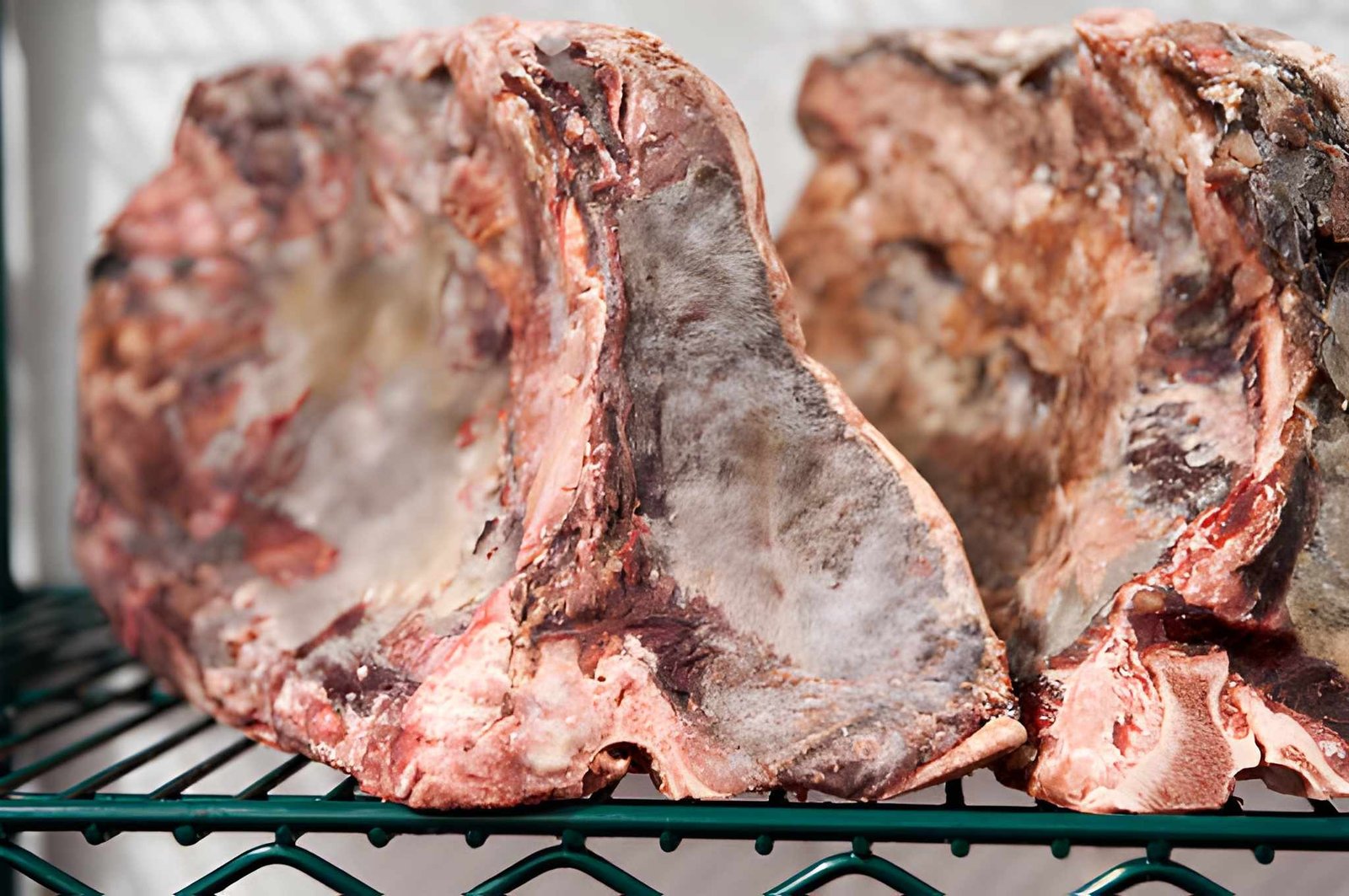
You open your freezer, pull out a cut of meat you forgot about, and notice pale gray patches, dry spots, or icy crystals clinging to the surface. It doesn’t look great—and the question hits immediately: is this still safe to eat, or should it go straight into the trash?
Freezer burn is one of those common kitchen dilemmas that sits in a gray area. It doesn’t scream “spoiled,” but it doesn’t inspire confidence either. The good news is that freezer-burned meat is often still safe to cook. The not-so-good news? Its quality may have taken a hit.
Let’s break down what freezer burn really is, how it affects your meat, and how to decide whether to cook it—or toss it.
What Is Freezer Burn?
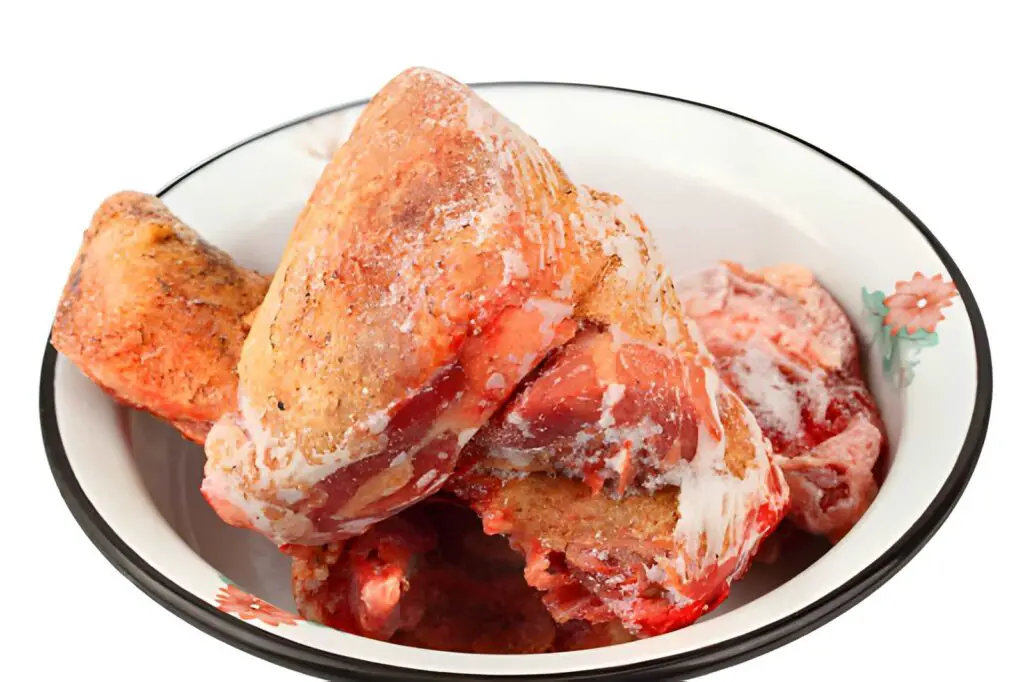
Freezer burn happens when meat is exposed to air inside the freezer. Over time, moisture escapes from the surface and forms ice crystals. This process dehydrates the meat and alters its texture and appearance.
Instead of looking fresh and vibrant, freezer-burned meat may appear:
- Pale gray or whitish in patches
- Dry or leathery on the surface
- Covered with frost or ice crystals
This isn’t the same as spoilage. It’s a quality issue, not a safety issue—at least in most cases.
Is Freezer Burned Meat Safe to Eat?
In general, yes—freezer-burned meat is safe to eat as long as it has been stored properly and hasn’t spoiled.
Freezing slows down bacterial growth, which is why meat can last for months in the freezer. Freezer burn doesn’t introduce harmful bacteria; it simply affects the meat’s texture and flavor.
Safe vs. Unsafe: Quick Comparison
| Condition | Safe to Eat? | Notes |
| Freezer burn only | Yes | Quality may be reduced |
| Off smell after thawing | No | Likely spoiled |
| Slimy texture | No | Discard immediately |
| Properly frozen, long storage | Usually | Flavor may decline |
If your meat smells sour, feels sticky, or shows signs of spoilage after thawing, it’s best to throw it away.
Why Freezer Burn Affects Flavor and Texture
While freezer burn doesn’t make meat dangerous, it does change how it tastes and feels.
When moisture leaves the meat, it takes flavor with it. The result is often:
- A bland or slightly off taste
- A dry, tough texture
- Uneven cooking results
That’s why a steak with freezer burn won’t deliver the same juicy experience as a fresh one.
When Should You Toss Freezer Burned Meat?
Not all freezer-burned meat is worth saving. Sometimes, the damage is too extensive.
Consider throwing it out if:
- The freezer burn covers most of the meat
- The texture feels extremely dry or brittle
- The meat has been stored for an unusually long time
- There are signs of spoilage after thawing
A small patch of freezer burn is manageable. A heavily damaged cut? Probably not worth the effort.
When Is It Worth Cooking?
Freezer-burned meat can still be useful, especially in dishes where moisture and seasoning play a big role.
Good uses include:
- Stews and soups
- Curries
- Slow-cooked dishes
- Ground meat recipes
These cooking methods for freezer-burned meat help reintroduce moisture and mask any flavor loss.
How to Fix or Improve Freezer Burned Meat
You can’t reverse freezer burn, but you can work around it.
1. Trim the Affected Areas
Cut away the dry, discolored portions before cooking. This improves both texture and taste.
2. Use Moist Cooking Methods
Avoid dry heat like grilling or pan-searing. Instead, try:
- Braising
- Simmering
- Slow cooking
3. Add Flavor Generously
Since freezer burn reduces natural flavor, compensate with:
- Herbs and spices
- Garlic and onions
- Broths and sauces
4. Marinate Before Cooking
A good meat marinade can help rehydrate the surface and add depth.
Best Cooking Methods for Freezer Burned Meat
Not all cooking techniques are equal when dealing with freezer burn.
| Method | Recommended? | Why |
| Grilling | No | Highlights dryness |
| Pan-searing | No | Doesn’t restore moisture |
| Slow cooking | Yes | Adds moisture and tenderness |
| Stewing | Yes | Masks texture issues |
| Pressure cooking | Yes | Quickly softens meat |
Choosing the right method can make a big difference in the final dish.

Does Freezer Burn Affect Nutritional Value?
Not significantly.
While some minor nutrient loss may occur due to dehydration, freezer-burned meat still retains most of its protein and essential nutrients.
The main impact is on quality—not nutrition.
How Long Can Meat Stay in the Freezer?
Freezer burn becomes more likely the longer meat is stored.
Here’s a general guideline:
| Type of Meat | Recommended Freezer Time |
| Beef | 6–12 months |
| Chicken | 9–12 months |
| Ground meat | 3–4 months |
| Cooked meat | 2–3 months |
These timeframes help maintain quality, not just safety.
Related: Is It Safe to Cook Frozen Meat Without Thawing?
How to Prevent Freezer Burn
Prevention is the best strategy. With a few simple steps, you can avoid freezer burn altogether.
1. Use Airtight Packaging
Wrap meat tightly in plastic wrap, then place it in a freezer bag or container.
2. Remove Air
Air is the main cause of freezer burn. Vacuum sealing is ideal if you have the option.
3. Label and Date
Keep track of how long meat has been stored.
4. Keep Freezer Temperature Stable
Frequent temperature changes can increase the risk of freezer burn.
Common Myths About Freezer Burn
Let’s clear up a few misconceptions.
“Freezer-burned meat is spoiled”
Not necessarily. It’s usually still safe if properly stored.
“You can’t eat it at all”
You can—just expect some quality loss.
“Cooking fixes everything”
Cooking helps, but it won’t fully restore the original texture.
Read on: How to Cook Bofe Meat Easily
A Practical Example
Imagine you have two pieces of beef:
- One freshly frozen and well-sealed
- One with visible freezer burn from months of storage
If you grill or steam or both, the difference will be obvious. The fresh piece will be juicy and flavorful. The freezer-burned one may turn out dry and dull.
But put both into a slow-cooked stew with herbs, broth, and vegetables—and the gap narrows significantly.
That’s the key: match your cooking method to the condition of your ingredients.
Quick Decision Guide
If you’re still unsure, use this simple checklist:
- Looks dry but no bad smell? → Cook it
- Small patches of freezer burn? → Trim and use
- Strong odor or slimy texture? → Toss it
- Heavily damaged surface? → Consider discarding
Final Thoughts
Freezer burn might make your meat look unappealing, but it doesn’t automatically mean it’s unsafe. In many cases, it’s perfectly fine to cook—especially if you’re willing to adjust your approach.
The key is knowing when to salvage and when to let go. Light freezer burn? Trim it, cook it, and move on. Severe damage or signs of spoilage? It’s better not to risk it.
With the right techniques, you can turn what looks like a kitchen disappointment into a satisfying meal. And with a few smart storage habits, you can avoid the problem altogether in the future.
Because in cooking, it’s not just about what you use—it’s how you use it.