Olive Oil or Duck Fat: Which One Belongs in Your Healthy Kitchen?

I used to think of fat as the villain in my kitchen—a greasy shadow lurking in every flavor-packed dish I loved. But somewhere between my weekend trips to the farmers market and a YouTube rabbit hole on French cooking, I realized fat isn’t the enemy. It’s the flavor carrier, the texture maker, the unsung hero. The real question isn’t if you should cook with fat, it’s which one should earn a spot on your stove.
So, let’s settle this skillet-sized debate: Olive oil or duck fat—who deserves the crown in your healthy kitchen?
My Pantry’s Tale of Two Fats
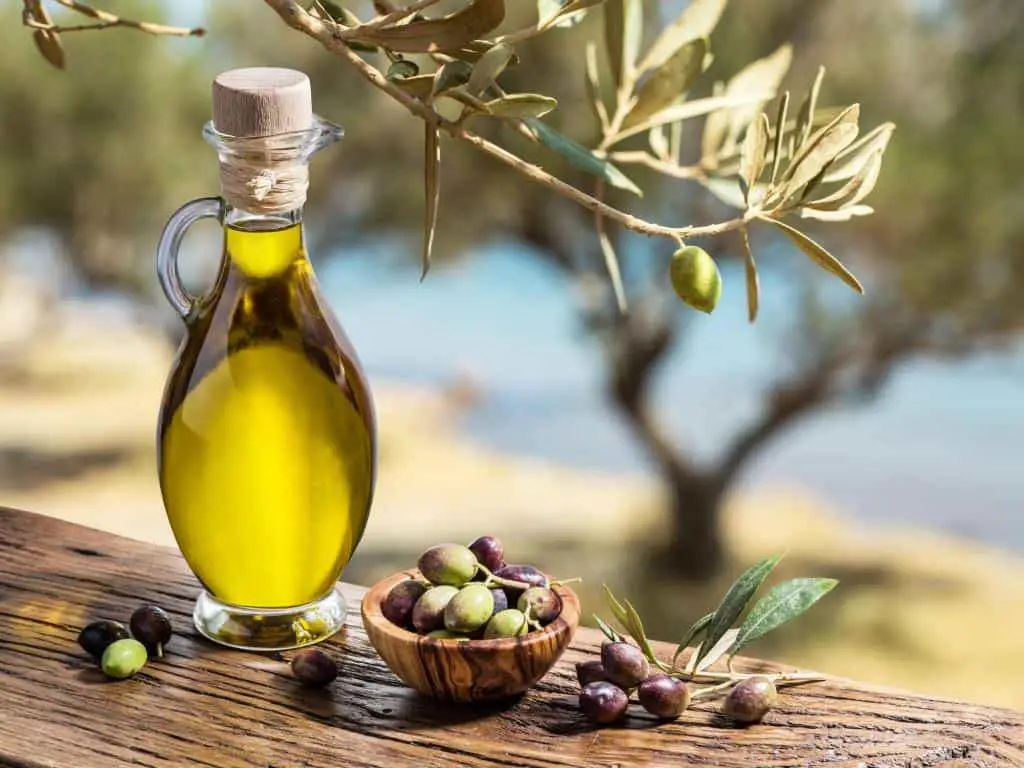
Let me paint you a picture. My olive oil sits proudly on the counter, like an old, reliable friend. It’s grassy, fruity, and practically sings “Mediterranean wellness” every time I drizzle it on a salad.
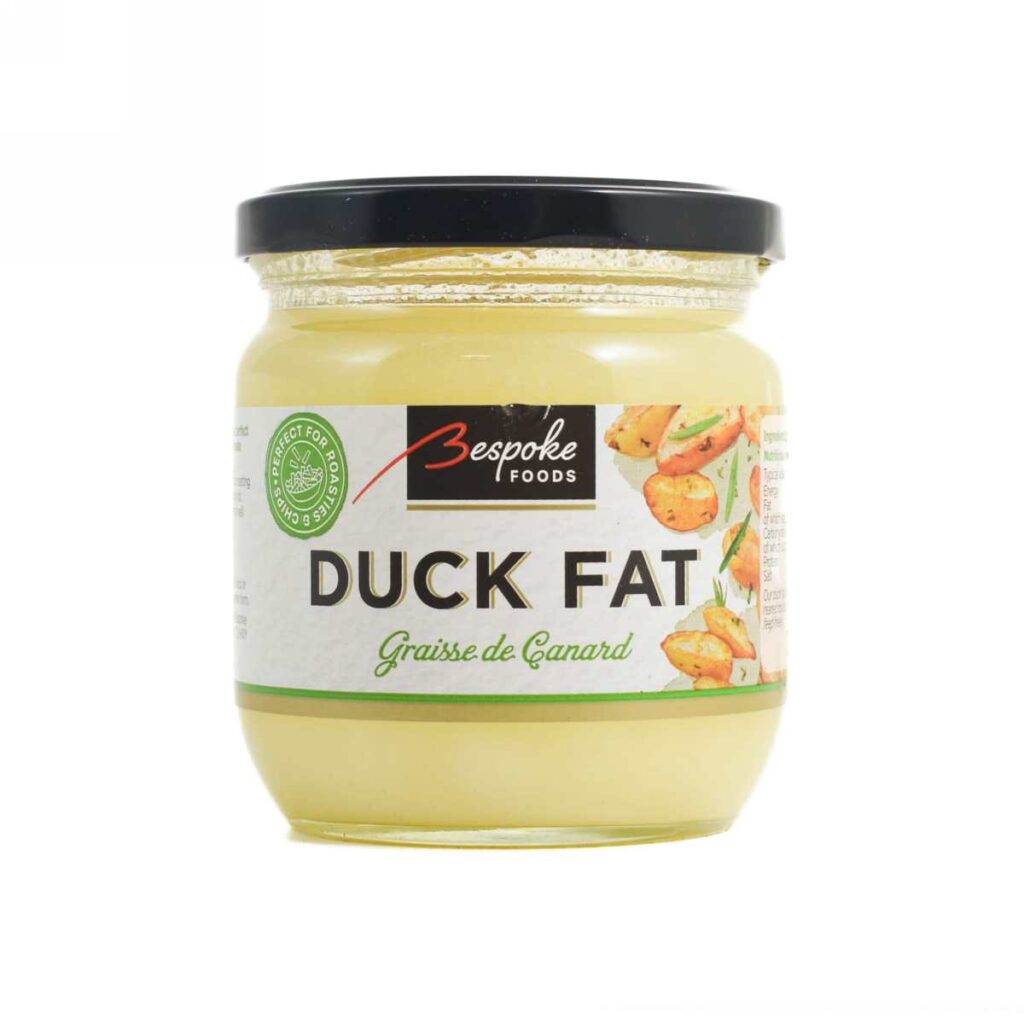
Duck fat, though? That’s the seductive stranger I met at a French bistro—the one who showed me how crisp a potato can really get. I kept it in the fridge like a guilty pleasure. But over time, I started wondering if that jar of golden goodness was more than just an indulgence. Could it actually be…healthy?
Turns out, the answer isn’t black and white—it’s more of a sautéed, golden-brown middle ground.
Let’s Talk Nutrients: Fat by the Numbers
Before I dive into sizzle and flavor, let’s put these fats on the nutritional chopping block.
| Fat Type | Olive Oil (1 tbsp) | Duck Fat (1 tbsp) |
| Calories | 119 | 113 |
| Total Fat | 13.5g | 12.8g |
| Saturated Fat | 1.9g | 3.8g |
| Monounsaturated Fat | 9.8g | 6.3g |
| Polyunsaturated Fat | 1.4g | 1.4g |
| Smoke Point | ~375°F (extra virgin) | ~375°F–400°F |
On paper, olive oil wins the heart-health medal with its lower saturated fat and higher monounsaturated fat content. But duck fat holds its own—more than you’d think. It actually contains more monounsaturated fat than coconut oil or butter. It’s not the greasy villain people assume—it’s more of a misunderstood antihero.
Vitamins and Antioxidants
Olive oil—especially extra virgin varieties—is rich in vitamin E and powerful plant antioxidants called polyphenols. These compounds help protect cells from oxidative stress and may support heart health and inflammation control.
Duck fat contains fewer antioxidants, but it still provides useful nutrients and healthy fats. It is particularly valued for its balance of monounsaturated and saturated fats.
| Nutrient Feature | Olive Oil | Duck Fat |
| Vitamin E | High | Low |
| Polyphenols | High | Minimal |
| Monounsaturated Fat | High | Moderate |
| Saturated Fat | Low | Higher |
Cholesterol and Heart Health Considerations
Different fats influence cholesterol in different ways. Diets rich in monounsaturated fats—like those found in olive oil—are often associated with lower LDL (“bad”) cholesterol and improved heart health.
Duck fat contains more saturated fat, which has traditionally been linked to higher cholesterol levels. However, newer research suggests that moderate amounts of animal fats can fit into balanced diets, especially when combined with plenty of fruits, vegetables, and whole foods.
Related: Can You Eat Olive Oil Without Cooking It?
The Science Behind the Sizzle
I’ve read enough labels to know that not all fats are created equal. But the deeper I dove, the more the science began to sound like a soap opera.
Olive oil—especially extra virgin—comes packed with antioxidants, particularly polyphenols, which have anti-inflammatory properties and may reduce the risk of heart disease. It’s been the golden child of the Mediterranean diet for decades, and doctors practically recommend it like aspirin.
Duck fat, on the other hand, was once lumped in with all saturated fats and sent to the nutritional doghouse. But here’s where things get spicy: newer studies suggest that not all saturated fats are as dangerous as we once thought. In fact, the kind in duck fat (mostly palmitic and stearic acids) isn’t the artery-clogger it was painted to be.
So, when used in moderation? Duck fat might actually support heart health—especially when used instead of trans fats or heavily processed oils.
How I Use Olive Oil and Duck Fat in My Own Kitchen
Now, let me take you behind the scenes of my cooking life—where flavor meets function.
When I Grab the Olive Oil:
- Salads – It’s a no-brainer. A drizzle of olive oil with lemon juice and flaky salt? Chef’s kiss.
- Roasted veggies – Carrots, zucchini, bell peppers—they all shine with that peppery finish.
- Quick sautés – Think garlic, spinach, and cherry tomatoes. Olive oil’s gentle heat works wonders.
When I Reach for Duck Fat:
- Roasted potatoes – If heaven had a scent, it would be duck fat frying Yukon golds.
- Pan-seared meats – Pork chops in duck fat? Game-changer.
- Eggs – Sunny side up in duck fat gives you the crispiest edges imaginable.
- Pastry crusts – You haven’t lived until you’ve had a duck fat biscuit. Trust me.
Check out: Chia Seeds, Olive Oil, and Cayenne Pepper
The Flavor Factor: Duck Fat’s Secret Weapon
I’ll be honest. The first time I cooked with duck fat, I expected it to taste like a roast duck slapped me in the face. But it didn’t. It was subtle, rich, and almost buttery—like your food just… leveled up.
Olive oil, on the other hand, brings a peppery, grassy zing that complements lighter fare. It’s like choosing between a velvet blazer and a linen shirt—both have style, but different occasions call for different flair.
Here’s a quick comparison:
| Category | Olive Oil | Duck Fat |
| Flavor | Fruity, peppery | Rich, savory, buttery |
| Best For | Salads, light sautés | Roasting, frying, baking |
| Storage | Cool, dark place | Fridge or freezer |
| Shelf Life (open) | 6–12 months | 6–9 months refrigerated |
Health Isn’t Just Nutritional Labels
Here’s a truth I’ve learned from years in the kitchen: health isn’t only about grams of fat or cholesterol numbers. It’s about balance, variety, and joy. I’ve seen friends demonize duck fat while spooning heaps of processed seed oil into their pans. It makes no sense.
If you use whole, minimally processed fats, you’re already miles ahead. Duck fat is rendered, not refined, and olive oil (especially extra virgin) is pressed without chemicals. That’s the kind of clean eating I can get behind.

When to Choose Which Fat: My Quick Guide
Here’s how I decide which fat to use when my skillet starts calling:
Choose Olive Oil If:
- You’re cooking under 375°F
- You want to highlight bright, fresh flavors
- You’re making Mediterranean or plant-forward dishes
Choose Duck Fat If:
- You’re roasting or frying
- You crave umami and rich, meaty undertones
- You want a flavor boost without adding processed fats
The Verdict: Who Belongs in Your Healthy Kitchen?
Let me break it down like this: olive oil is your everyday hero, but duck fat is your secret weapon. Both deserve a place in your kitchen—just for different reasons.
I don’t use duck fat daily, but when I do, it’s intentional, joyful, and worth every calorie. And olive oil? It’s the workhorse that keeps my dishes grounded in simplicity and health.
If you’re building a healthy kitchen that respects flavor, tradition, and balance, you don’t need to choose one fat to rule them all. You just need to use them wisely.
Final Thoughts (and a Little Kitchen Wisdom)
Cooking with olive oil and duck fat are like jazz. You riff, you improvise, you blend notes to create something greater than the sum of its parts. Duck fat and olive oil play different instruments in the same band. One brings the earthy groove, the other the high notes of brightness.
So don’t fall into the trap of choosing sides. Embrace the symphony.
After all, a healthy kitchen isn’t just about what you leave out—it’s about what you choose to bring in with intention, confidence, and yes, a little sizzle.