Is Duck Confit Bad for You? The Healthier Side of This French Favorite

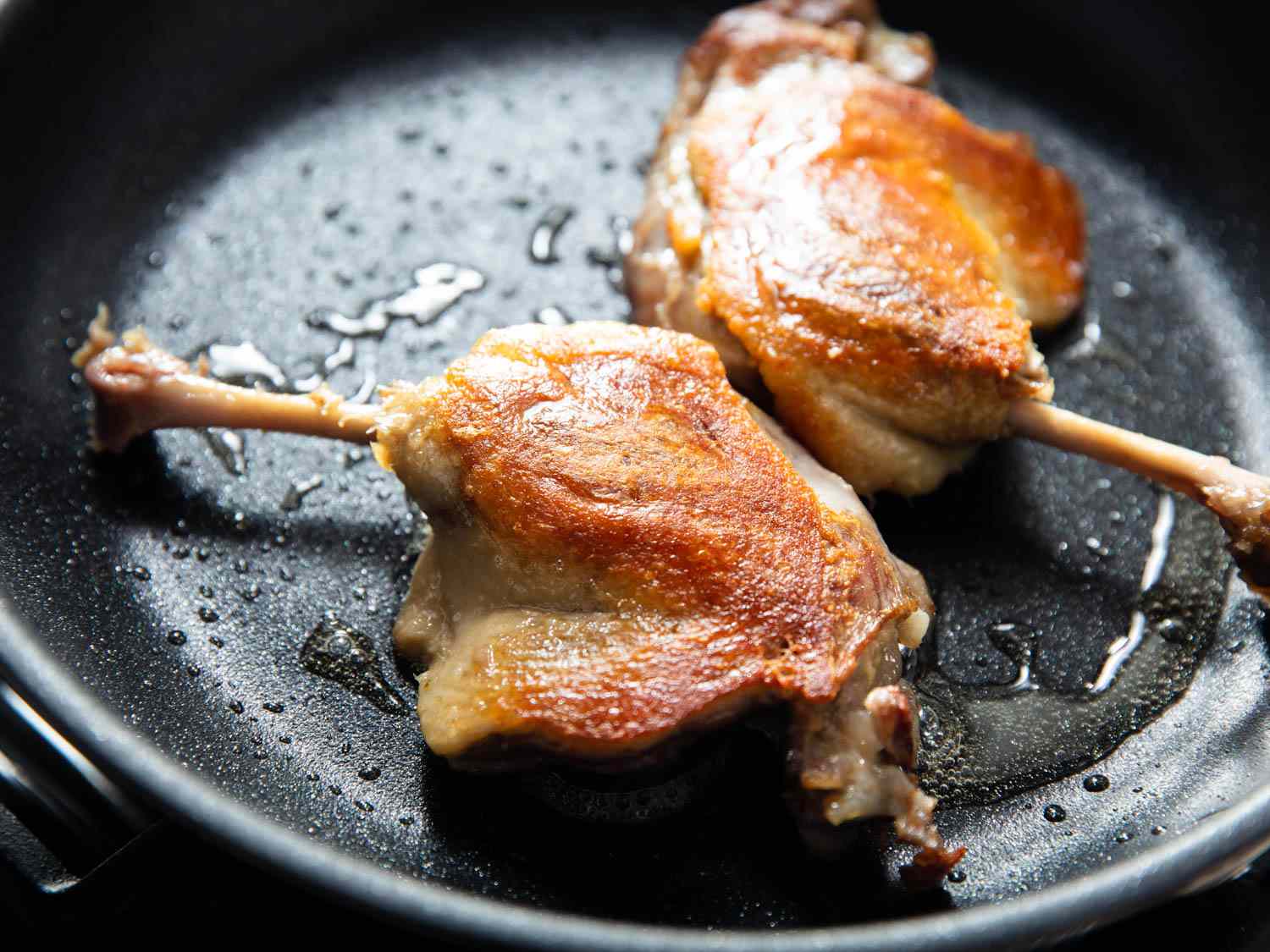
I’ll be the first to admit it—when I first learned that duck confit is cooked slowly in its own fat, I raised an eyebrow and tightened my belt a notch. Duck fat? Really? It sounded like a heart attack with a French accent. But as someone who loves to eat well and live well, I decided to dive a little deeper. What I found surprised me—and might change the way you think about this old-school delicacy.
Let’s Talk Duck Confit (No Berets Required)
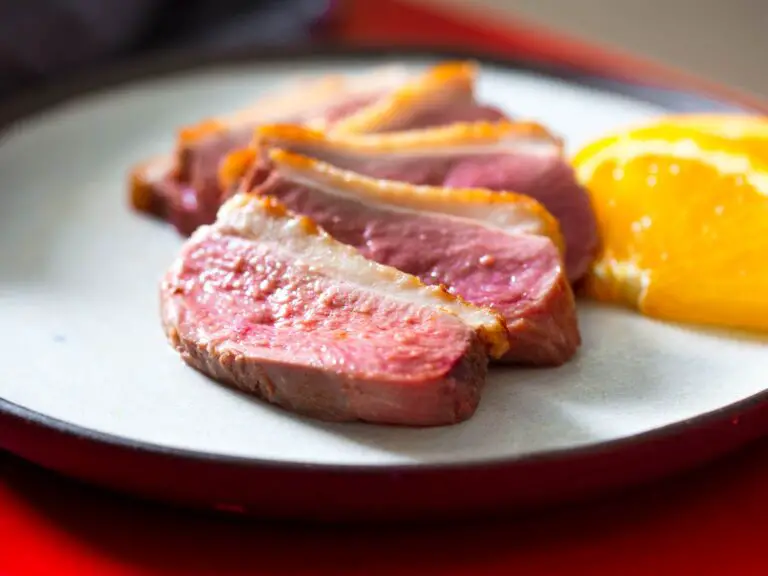
Duck confit (pronounced con-fee) is one of those dishes that wears its indulgence like a velvet robe. Traditionally, the duck is salted and seasoned, then slow-cooked in its own rendered fat until it’s melt-in-your-mouth tender. It’s then stored submerged in that same fat to preserve it—an age-old technique from southwestern France.
Now, does that sound healthy? Probably not on paper. But let’s unpack the full picture before jumping to conclusions.
How Duck Confit Is Made
Duck confit is prepared through a slow, careful process that builds deep flavor and tender texture. Traditionally, the method was used to preserve duck meat before refrigeration existed. The technique relies on curing the meat and cooking it slowly in its own fat.
Salting and curing the duck is the first step. The duck legs are rubbed with salt, garlic, and herbs, then refrigerated for 12–24 hours. This helps:
- Draw out moisture
- Season the meat deeply
- Improve preservation
Next comes slow cooking in duck fat. The cured duck is gently cooked at a low temperature while submerged in melted duck fat until the meat becomes extremely tender.
| Method | Key Feature |
| Traditional | Cooked slowly in large amounts of duck fat |
| Modern | Oven or sous-vide with less fat |
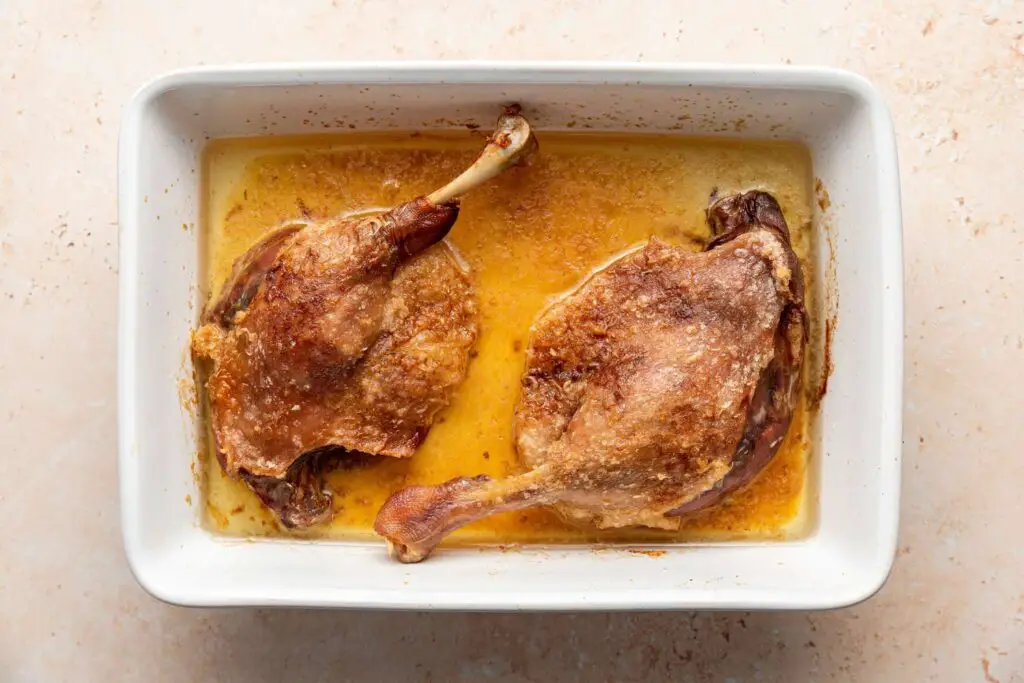
Fat Isn’t the Villain—But It’s Not a Saint Either
The biggest knock against confit is, of course, the fat. But here’s the twist: not all fats wear the same black hat.
Types of Fat in Duck Confit
| Fat Type | Found In | Health Notes |
| Saturated Fat | Duck skin | Can raise LDL (bad) cholesterol in excess |
| Monounsaturated Fat | Duck fat | Supports heart health in moderation |
| Polyunsaturated Fat | Small amounts | Can reduce inflammation |
Duck fat, surprisingly, leans more toward monounsaturated fat—like olive oil. And while it’s no kale smoothie, it’s definitely not the villain some make it out to be. Used wisely and in small portions, cooking in duck fat can offer a depth of flavor without wrecking your arteries.
The Portion Problem: Where Most of Us Go Wrong
Let’s be honest—if you sit down and eat a leg of duck confit alongside buttery mashed potatoes and a wine-soaked dessert, you’re not exactly playing health bingo. But the problem here isn’t the duck—it’s the plate.
A Balanced Way to Enjoy Duck Confit:
- Pair it with roasted vegetables instead of creamy sides
- Skip the extra sauce—confit has enough flavor on its own
- Limit portion size (half a leg is often plenty)
- Save it for a treat, not a Tuesday night ritual
Duck confit, eaten occasionally and in moderation, fits comfortably into a balanced diet—just like a glass of red wine or a slice of dark chocolate.
My First Bite: A Love Story with Crispy Skin
The first time I had real duck confit, it felt like a culinary hug from someone who knew exactly how to say “I love you” with flavor. The skin crackled like autumn leaves underfoot, and the meat practically melted on my fork. I wasn’t thinking about calories or cholesterol—I was thinking about how quickly I could make it again.
But that’s the magic of confit—it feels indulgent, yes, but not in a greasy, fast-food way. It’s elegant, intentional, and rooted in a tradition of preserving food long before refrigerators existed.

What Does Duck Confit Taste Like?
Duck confit is a flavor bomb for anyone who loves rich, savory food. The taste leans heavily into meaty and fatty territory—imagine slow-cooked duck leg that’s both tender and just chewy enough to remind you it’s still meat. It doesn’t fall apart like pulled pork, but it’s soft enough to slide off the bone with little effort.
What really sets duck confit apart is the fat. Rendered during the slow cooking process, the duck fat surrounds the meat with a buttery, slightly nutty flavor. It’s not sweet like pork belly or glazed ham, but it has a smooth, satisfying richness.
Flavor Breakdown:
| Element | Description |
| Meat Texture | Tender with a slight chew |
| Fat Flavor | Rich, nutty, and buttery |
| Sweetness | Mild—not sugary like other confits |
If you’re into deep, savory flavors and melt-in-your-mouth textures, duck confit is worth trying.
Check out: Why Browning Mince Can Make a Difference in Slow Cooking?
Homemade Duck Confit: Healthier Than Restaurant Style?
Absolutely. When I make duck confit at home, I get to control the ingredients and the process.
What I Do Differently:
- Trim excess fat before cooking
- Use less salt than traditional recipes call for
- Cook it low and slow, but not until it’s swimming in grease
- Drain and crisp in the oven for lighter texture
That way, I enjoy the richness without going overboard. It’s like turning a velvet robe into a light cashmere throw.
Duck Confit vs. Other Meats: A Surprise Winner?
Let’s stack duck confit against some other popular protein options:
| Protein (per 100g) | Calories | Fat (g) | Protein (g) | Notes |
| Duck Confit | 240 | 19 | 17 | Rich but higher in good fats |
| Fried Chicken Leg | 280 | 21 | 18 | Often cooked in low-quality oils |
| Beef Short Ribs | 300 | 25 | 20 | High in saturated fat |
| Grilled Salmon | 206 | 12 | 22 | Healthiest fat profile |
Sure, grilled salmon takes the crown, but duck confit still comes out better than many red meats or deep-fried options. It’s all about the company it keeps—and how you cook it.
What the Experts Say (Spoiler: It’s Not All Doom and Gloom)
Nutritionists don’t call duck confit a “health food,” but many acknowledge that it has a place in a mindful diet.
Registered Dietitian Tips:
- Duck fat is less inflammatory than processed seed oils
- Traditional cooking methods often enhance satiety (you feel full sooner)
- Portion control and vegetable-based pairings make it more balanced
So yes, you can enjoy duck confit and still love your heart.
Read on: What Kind of Duck Do Restaurants Actually Serve?
A Healthier Twist: My Lighter Confit-Inspired Recipe
Here’s how I give confit a healthy makeover without sacrificing flavor.
Lighter Duck Confit (Serves 2)
| Ingredient | Amount |
| Duck legs | 2 |
| Sea salt | 1 tsp |
| Garlic cloves | 4 (smashed) |
| Fresh thyme & rosemary | A few sprigs |
| Duck fat or olive oil | ½ cup |
| Orange zest (optional) | 1 tsp |
Instructions:
- Rub duck legs with salt and herbs; chill overnight.
- Wipe off excess salt and place in a small roasting pan.
- Add garlic, herbs, and fat to the pan—just enough to surround the meat.
- Cover with foil and bake at 275°F for 2.5 hours.
- Finish under the broiler to crisp the skin.
Serve with steamed greens or lentils. Voilà—decadence without the guilt trip.
So… Is Duck Confit Bad for You?
Only if you treat it like fast food.
Duck confit is rich, yes. But it’s also nutrient-dense, filling, and packed with flavor. It encourages slow eating, thoughtful cooking, and—when made right—a connection to centuries-old food wisdom. I don’t eat it every week, but when I do, I savor it. I plan around it. I give it the kind of stage it deserves.
Final Thoughts: Eat with Intention, Not Fear
To me, duck confit is like a jazz solo—bold, complex, and not something you throw on every playlist. It’s not the villain of your diet story, but it shouldn’t be the hero every night either.
If you eat with intention, cook with care, and balance indulgence with nourishment, you’ll find that even something as rich as duck confit can fit beautifully into a healthy, happy life.