
What Kind of Duck Do Restaurants Actually Serve? Here’s the Juicy Truth

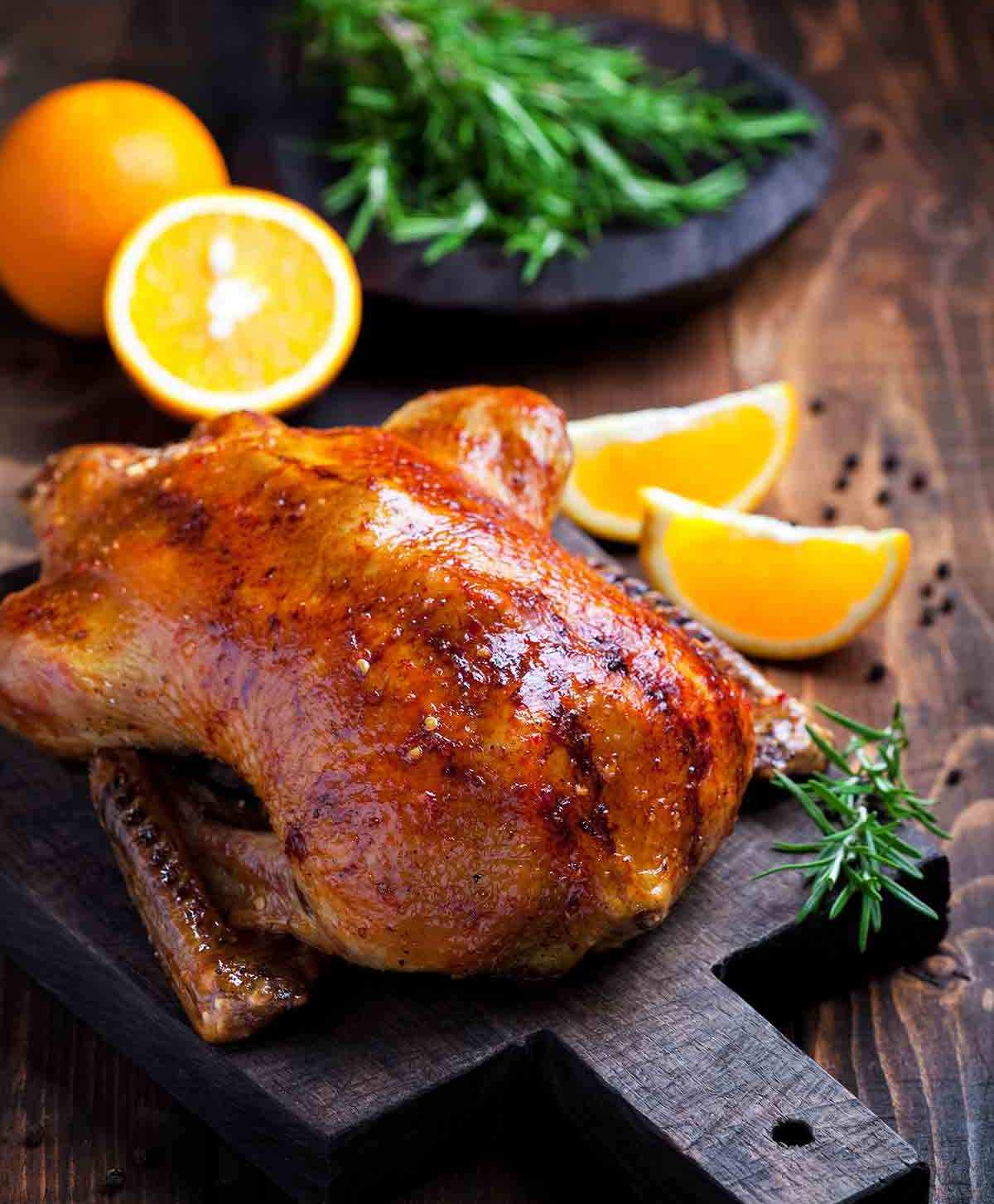
I remember the first time I ordered duck at a restaurant. It was at a cozy little French bistro cooking tucked away on a quiet street corner. The waiter placed the plate in front of me—crispy skin glistening, the aroma rich and gamey. It was love at first bite. But as I devoured that tender, flavorful meat, a question tugged at the back of my mind:
What kind of duck is on my plate?
I didn’t know it then, but most restaurants are pretty consistent in the kind of duck they serve. After years of savoring duck in every style—roasted, confited, seared, you name it—I finally dove into the juicy truth behind what kind of duck ends up on our plates.
Let me break it down for you.
The Duck Most Restaurants Rely On
Here’s the headline answer: Most restaurants in the U.S. serve Pekin duck.
And no, that’s not a typo—it’s Pekin, not Peking. They’re two different things (more on that later).
The Pekin duck is the workhorse of the duck world. It’s the go-to bird for restaurants because of its mild flavor, tender meat, and consistent fat content. Think of it as the chicken of the duck world—reliable, affordable, and easy to cook with.
Why Pekin Duck Rules the Roost
Restaurants don’t just pick ducks on a whim. They’ve got reasons—practical, flavorful, and financial.
Here’s why Pekin duck dominates dinner menus:
1. Flavor That Doesn’t Scare Off First-Timers
Pekin duck has a mild, clean taste. It’s not too gamey or greasy, which makes it a great “starter duck” for folks who’ve never tried duck before.
2. Fat Where It Counts
It’s got a generous layer of fat under the skin, which makes it perfect for crispy-skinned preparations (hello, duck confit!). That fat renders down beautifully, keeping the meat juicy and full of flavor.
3. Fast and Farm-Friendly
Pekin ducks grow fast. Like, 7 weeks from hatchling to harvest. That means farmers can raise them efficiently, which keeps costs reasonable for restaurants.
4. Uniformity
You want your restaurant’s duck dish to look the same every night, right? Pekin ducks are uniform in size, which makes portioning and plating a breeze.
Read on: Is Peking Duck Truly Superior to Roast Duck?
Duck Breeds on the Menu: A Quick Breakdown
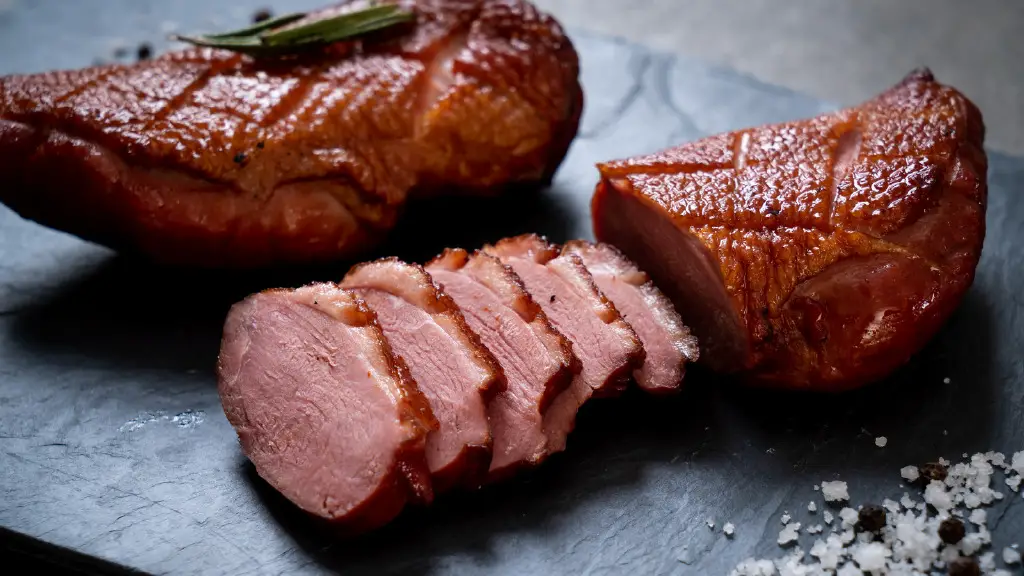
Here’s a handy table that shows the types of duck breeds you might come across in a restaurant—and what makes each one unique.
| Duck Breed | Commonly Served? | Flavor Profile | Best For | Why (or Why Not) It’s Popular |
| Pekin (American) | ✅ Very common | Mild, tender, juicy | Roasting, confit, pan-searing | Fast-growing, cost-effective, crowd-pleasing |
| Muscovy | ⚠️ Occasionally | Richer, leaner, slightly gamier | Fine dining, seared breast | Less fat, firmer meat, higher-end menus |
| Moulard | ✅ For foie gras or magret | Intensely flavorful, meaty | Foie gras, magret de canard | Hybrid of Pekin + Muscovy, raised for foie gras |
| Peking (Chinese) | ✅ In Chinese restaurants | Aromatic, fatty, rich | Peking duck (roasted whole) | Not a breed but a preparation style |
| Mallard (Wild) | ❌ Rarely | Very gamey, lean | High-end or seasonal dishes | Wild-caught, unpredictable, not mass-raised |
But Wait—What About Peking Duck?
Ah yes, Peking duck—with a “g”. If you’ve ever been to a Chinese restaurant and ordered it, you’ve had an entirely different experience.
Despite the name, Peking duck isn’t a breed. It’s a legendary cooking style that originated in Beijing. The dish uses a white duck breed similar to Pekin but raised specifically for the traditional Peking method. It involves air-drying the skin, inflating it away from the meat, and roasting it until it’s paper-thin and shatteringly crisp.
The preparation is ornate, ritualistic, and absolutely delicious. Think of it as the duck world’s answer to a multi-step tea ceremony.
What Is the Most Expensive Duck Breed?
When it comes to pricey poultry, the Eider duck takes the crown. Native to the frigid coasts of Iceland, this polar duck isn’t just famous for its looks—it’s sought after for its feathers, which are softer than a cloud and warmer than wool.
Hunters brave Iceland’s wild marshes and coastal cliffs just to catch a glimpse of this elusive bird. Why all the effort? Because its down—collected from nests, not plucked from the bird—is one of the rarest and most luxurious natural insulators in the world.
Why Eider Feathers Are So Valuable:
- Collected by hand
- Lightweight and incredibly warm
- Ethically sourced from empty nests
| Feature | Value |
| Origin | Iceland |
| Feather Use | High-end duvets, jackets |
| Market Price | Can cost more per ounce than gold |
This isn’t just a duck—it’s Iceland’s feathered fortune.
Check out: Which Duck Is Best for Cooking?

So… Have I Ever Eaten Anything Other Than Pekin?
Honestly, yes—but not often.
I’ve had Muscovy duck at a high-end steakhouse once. The meat was firmer, darker, and more steak-like. Less fat, but tons of flavor. It reminded me of eating a rich red meat with a wild twist.
I’ve also tried Moulard duck breast—called magret de canard—at a French wine bar. It was chef’s kiss delicious, with a bold, beefy flavor that stood up to a good glass of red wine. That duck came from a Moulard, a hybrid bred specifically for foie gras and magret production.
But nine times out of ten? It’s been Pekin. And I’m not complaining.
How to Tell What Duck You’re Eating
You don’t need to interrogate your waiter like a detective in a noir film. Instead, look for clues on the menu and in the flavors.
Here’s what I’ve learned:
- If it says “crispy duck” or “duck confit” → It’s probably Pekin.
- If it says “magret” or “foie gras” → You’re dealing with Moulard.
- If it says “Muscovy duck breast” → Fancy! You’re eating Muscovy.
- If it’s in a Chinese restaurant and labeled “Peking duck” → It’s a dish, not a duck breed—but probably a special variety of Pekin or similar white duck.
The Duck Dish Hall of Fame
Because I can’t help myself, here’s a list of duck dishes that stole my heart and made me curious enough to write this post in the first place:
🔥 Duck à l’Orange
Sweet meets savory. That citrus glaze brightens up the fatty duck like a summer sunrise.
🥄 Duck Confit
The leg gets slow-cooked in its own fat until it’s fall-apart tender and golden-crisp. Comfort food with a French accent.
🥢 Peking Duck
Wrapped in thin pancakes with scallions and hoisin sauce? Chef’s kiss. Every bite’s a crunchy, savory hug.
🧄 Garlic Roasted Duck Breast
Seared to medium-rare, with crispy skin duck and a side of garlicky greens—my go-to at any bistro.
Duck Tips for Home Cooks
So you’re inspired to bring duck home from the restaurant and into your kitchen? Do it! Just remember:
- Start with Pekin duck—It’s forgiving, flavorful, and available in many supermarkets.
- Score the skin, but don’t cut the meat—This helps render the fat for that crispy skin.
- Save the duck fat—It’s liquid gold. Roast potatoes in it. Thank me later.
Find out: How to Air Dry Ducks at Home
How Is Duck Best Cooked?
Duck is best cooked when you understand how to handle its rich, fatty nature. The most common method is duck roasting, and there are two standout styles that restaurants and home cooks use.
Popular Ways to Roast Duck:
- Chinese-style: The duck is air-dried and brushed with a glaze, creating crispy, lacquered skin.
- Western-style: Similar to roast chicken—placed in a hot oven until the skin browns and the meat cooks through.
However, unlike chicken, duck has a thick layer of fat under the skin. Without proper steps to render or remove it, the duck can taste heavy and greasy.
| Cooking Style | Crispy Skin | Fat Removed? | Flavor Level |
| Chinese-style | ✅ | ✅ | Bold & sweet |
| Western-style | ✅ | Partially | Savory & rich |
To get that perfect bite, focus on slow roasting duck and proper fat draining.
Final Bite: Duck Isn’t Just Fancy Food
Here’s the thing—I used to think duck was only for anniversaries and anniversaries. But the more I’ve eaten (and cooked) it, the more I’ve realized: duck can be everyday food. Restaurants serve Pekin because it’s approachable, flavorful, and easy to work with. It’s not just haute cuisine—it’s honest, delicious poultry with a story.
So next time you take a bite of that crispy duck skin, you’ll know what kind of bird you’re tasting—and maybe, just maybe, you’ll appreciate it a little more.
Bon appétit,
Your local duck enthusiast