Does Beef Shrink in the Pan or Oven? What You Need to Know

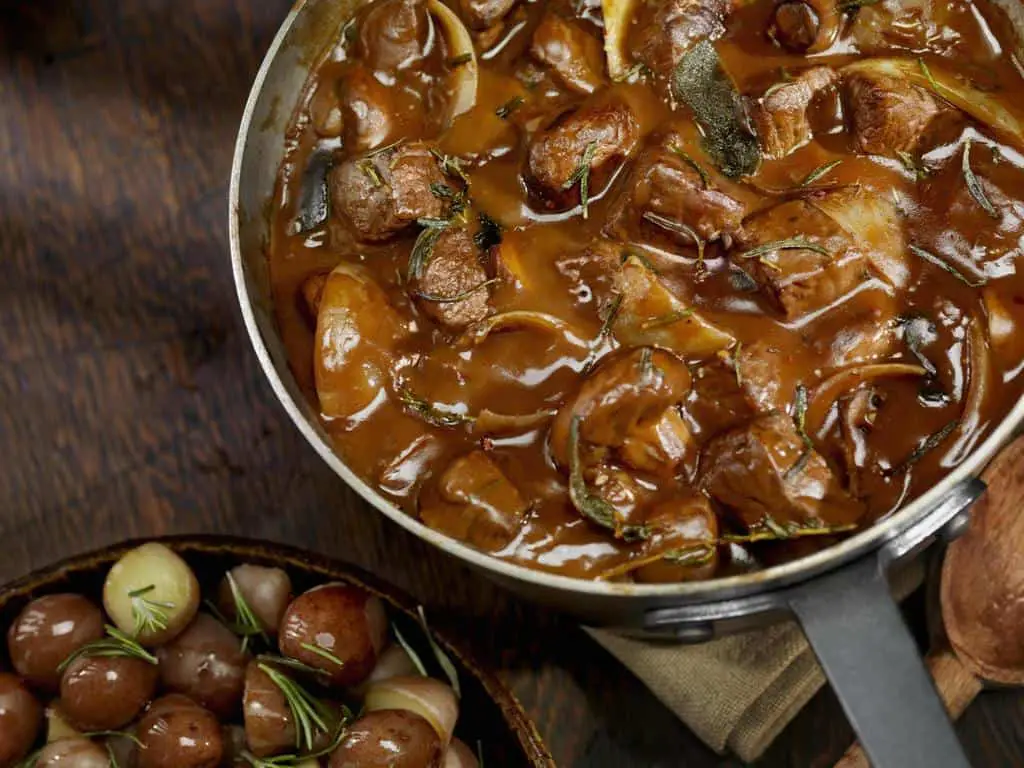
You start with a generous piece of beef—thick, juicy, and full of promise. But once it hits the pan or goes into the oven, it seems to shrink before your eyes. The portion looks smaller, the shape tightens, and sometimes the meat even curls.
So what’s really happening? Does beef shrink more in the pan or the oven? And more importantly, can you control it?
The short answer: beef shrinks in both the pan and the oven. But how much it shrinks—and why—depends on several factors, including heat, fat content, and cooking method. Understanding these details can help you cook better, serve more accurate portions, and keep your meat juicy and satisfying.
Let’s break it down.
Why Does Beef Shrink When Cooked?
Beef shrinkage is completely normal. It happens because of two main processes: moisture loss and fat rendering.
1. Moisture Loss
Raw beef contains a significant amount of water. When heated, muscle fibers tighten and push out that moisture. This leads to a reduction in size and weight.
2. Fat Rendering
As beef cooks, its fat melts and drips away. This further reduces the overall volume.
3. Protein Contraction
Heat causes proteins to coagulate and contract. This tightening effect physically shrinks the meat.
Together, these processes explain why a large raw steak can look noticeably smaller once cooked.
Read: What Are Beef Trimmings? Guide to Understanding Meat Trimmings
Does Beef Shrink More in the Pan or the Oven?
Both methods cause shrinkage, but the degree and how it happens can differ.
Pan Cooking (Stovetop)
Cooking beef in a pan usually involves higher, direct heat. This leads to:
- Faster moisture loss
- More rapid protein contraction
- Potential curling or tightening of the meat
Because the heat is intense and concentrated, shrinkage can appear more dramatic, especially with thinner cuts.
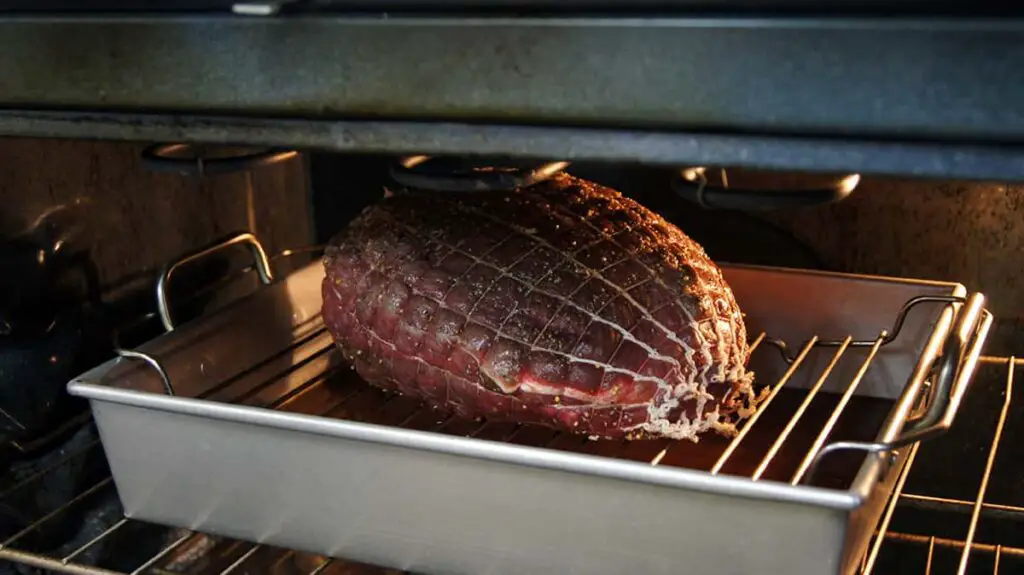
Oven Cooking
Oven cooking typically uses indirect, more even heat. This results in:
- Slower moisture loss
- More gradual shrinkage
- Better retention of shape
While the total shrinkage may be similar, it often happens more gently in the oven.
Pan vs. Oven: Side-by-Side Comparison
| Factor | Pan Cooking | Oven Cooking |
| Heat intensity | High, direct | Moderate, indirect |
| Shrinkage speed | Fast | Gradual |
| Shape changes | More noticeable | Less pronounced |
| Moisture retention | Lower (if overcooked) | Higher (with proper technique) |
| Best for | Searing, quick cuts | Roasts, thicker cuts |
How Much Does Beef Shrink?
The exact amount varies depending on the cut and cooking method, but here’s a general guideline:
| Type of Beef | Average Shrinkage |
| Lean cuts | 25–30% |
| Fatty cuts | 30–40% |
| Ground beef | Up to 50% |
Ground beef tends to shrink the most because it has more surface area and releases fat and moisture more easily.
Why Ground Beef Shrinks So Much
If you’ve ever cooked a large batch of ground beef after use by date and ended up with a much smaller portion, you’re not alone.
Ground beef shrinks more because:
- Fat melts quickly and drains away
- Water escapes more easily due to broken structure
- It cooks faster, increasing moisture loss
This is why a full pan of raw ground beef can reduce significantly after cooking.
Does High Heat Cause More Shrinkage?
Yes—high heat accelerates shrinkage.
When beef is exposed to intense heat:
- Proteins contract quickly
- Moisture is expelled faster
- The outer layer can tighten before the inside cooks
That’s why cooking at extremely high temperatures without control can lead to dry, shrunken meat.
Read: Cooking Beef with Butcher’s String: Safe or Risky?
How to Reduce Beef Shrinkage
You can’t eliminate shrinkage entirely, but you can minimize it with the right techniques.
1. Use Moderate Heat
Avoid blasting the meat with excessive heat. Controlled temperatures help retain moisture.
2. Don’t Overcook
The longer beef cooks, the more moisture it loses. Use a thermometer if possible.
3. Let Meat Rest
After cooking, let the beef rest for a few minutes. This allows juices to redistribute instead of spilling out.
4. Choose the Right Cut
Cuts with more fat tend to stay juicier, even if they shrink more.
5. Avoid Pressing the Meat
Pressing beef in the pan forces out juices, increasing shrinkage.

Pan Cooking Tips to Control Shrinkage
If you prefer cooking in a pan, these tips can help:
- Preheat the pan properly before adding meat
- Use enough oil to prevent sticking
- Flip only when necessary
- Avoid overcrowding the pan
These small adjustments can improve both texture and appearance.
Oven Cooking Tips for Better Results
For oven cooking, focus on consistency:
- Cook at steady, moderate temperatures
- Use a roasting rack to allow even heat circulation
- Cover loosely with foil if needed to retain moisture
- Check internal temperature rather than relying on time alone
This method is especially effective for larger cuts like roasts.
Does Thickness Affect Shrinkage?
Yes, thickness plays a role.
- Thin cuts shrink quickly and may curl
- Thick cuts shrink more slowly and evenly
Thicker cuts often retain more moisture, making them a better choice for juicier results.
Does Marinating Help?
Marinating can help reduce the perception of shrinkage by improving moisture retention and flavor.
Ingredients like:
- Oil
- Acid (vinegar or citrus)
- Salt
can enhance juiciness and tenderness, even if the size reduction still occurs.
Visual vs. Actual Shrinkage
Sometimes beef looks like it has shrunk more than it actually has.
This is because:
- Edges curl inward
- The surface tightens
- Fat melts away, changing the shape
In reality, the weight loss may be less dramatic than the visual change suggests.
Planning Portions: A Practical Tip
Because beef shrinks during cooking, it’s important to plan portions accordingly.
A good rule of thumb:
- Start with about 20–30% more raw beef than your desired cooked portion
For example:
- If you need 1 kg of cooked beef, start with around 1.3 kg raw
This helps ensure you don’t come up short when serving.
Common Mistakes That Increase Shrinkage
Avoid these pitfalls to get better results:
- Cooking straight from the fridge (uneven heating)
- Using excessively high heat
- Skipping resting time
- Overcooking “just to be safe”
Each of these can lead to drier, smaller portions.
Final Thoughts
So, does beef shrink in the pan or the oven? The answer is simple: it shrinks in both. But the way it shrinks—and how noticeable it is—depends on your cooking method and technique.
Pan cooking delivers fast, intense heat, which can make shrinkage appear more dramatic. Oven cooking offers a gentler approach, allowing the meat to retain more of its shape and moisture.
In the end, shrinkage isn’t something to fear—it’s a natural part of cooking. The goal isn’t to stop it completely, but to manage it wisely.
With the right approach, you can keep your beef juicy, flavorful, and satisfying—no matter how you cook it.