Accidentally Cooked the Meat Pad? Here’s What You Need to Know

It’s a small, easy-to-miss detail. You unwrap a package of meat, season it, and place it straight into the pan or oven—only to realize later that the absorbent pad underneath went in with it.
Now you’re staring at your meal, wondering: Is this safe to eat? Did I just ruin everything?
You’re not alone. Cooking the meat pad by accident happens more often than people admit. The good news is that it’s usually not a reason to panic. But it does depend on what exactly happened during cooking.
Let’s walk through what the meat pad is, what happens when it’s heated, and what you should do next.
What Is the Meat Pad, Really?
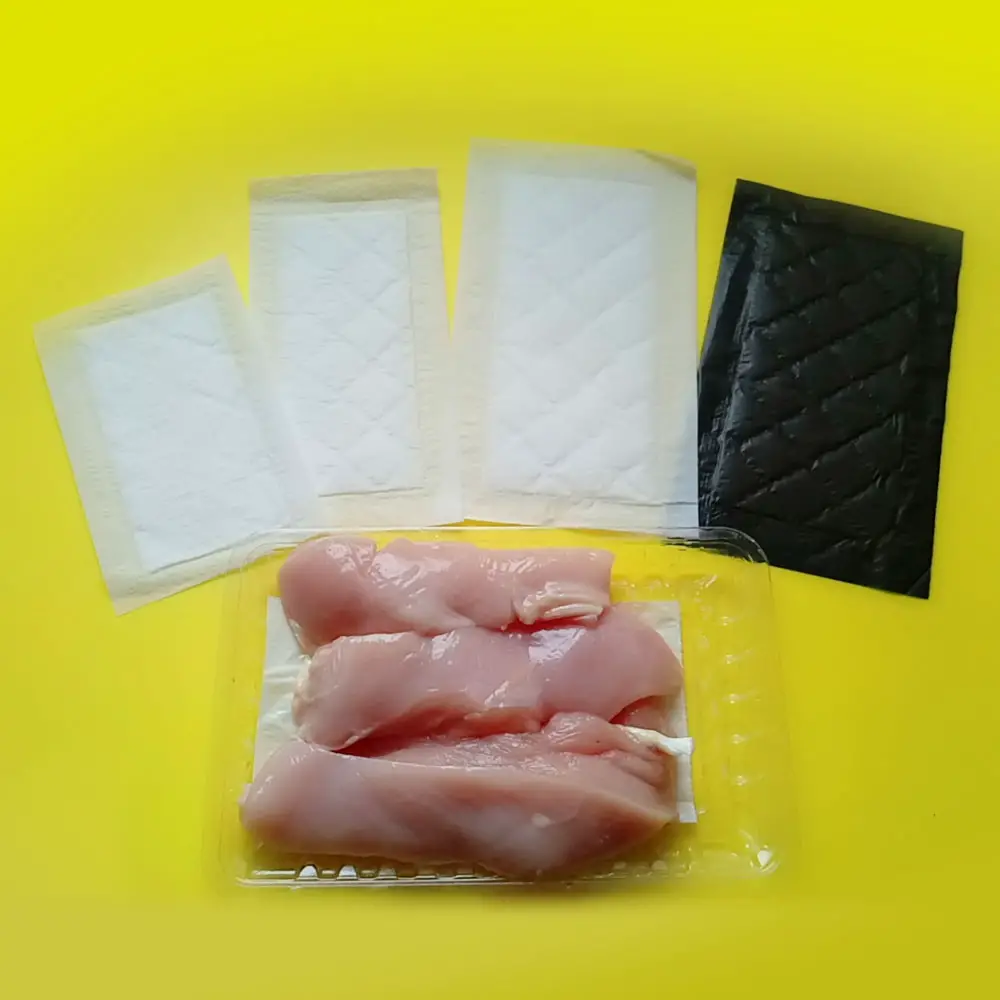
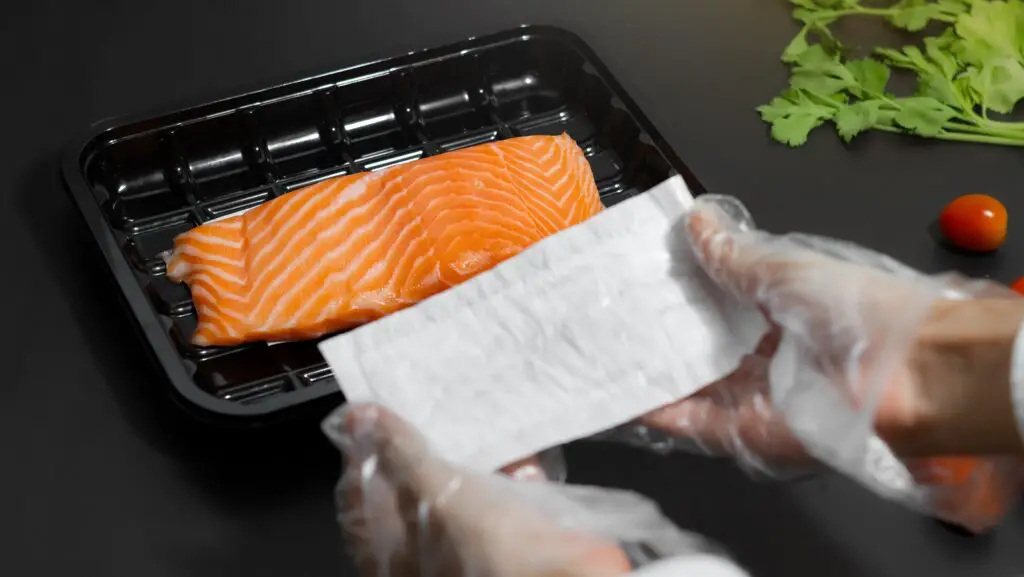
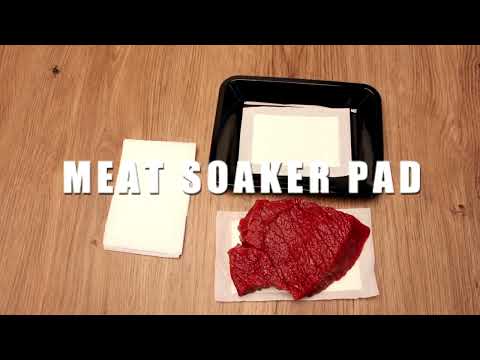
That thin, cushion-like layer beneath packaged meat is called an absorbent pad. Its purpose is simple: to soak up excess liquid released by raw meat during storage.
Most meat pads are made of two parts:
- Outer layer: A plastic film that holds everything together
- Inner core: Absorbent material, often made from paper pulp or super-absorbent polymers
These materials are designed for food packaging—not for cooking.
What Happens When You Cook the Meat Pad?
When exposed to heat, the meat pad doesn’t behave like food. Instead, it reacts in ways that can affect both safety and quality.
1. The Plastic Can Melt
The outer layer may soften or melt under high heat, especially in a pan or oven. This can cause it to stick to the meat.
2. The Inner Material Breaks Down
The absorbent core can release its contents when heated, potentially creating a gel-like or crumbly residue.
3. Unpleasant Odors May Develop
Heating non-food materials can produce strange or chemical-like smells that affect the overall dish.
Is It Safe to Eat Meat Cooked with the Pad?
This is the most important question—and the answer depends on the situation.
Generally Speaking:
- Low heat + intact pad: Risk is lower, but not ideal
- High heat + melted or damaged pad: Not recommended to eat
- Visible residue or strong odor: Discard the meat
Food safety experts typically advise against eating food that has been cooked with packaging materials, especially if those materials have degraded.
Continue: Cooking Meat in Plastic Wrap: Safe Technique or Risky Move?
Quick Safety Guide
| Situation | What You Should Do |
| Pad stayed intact and didn’t melt | Remove it, inspect meat carefully |
| Plastic melted onto meat | Discard affected portions |
| Strange smell or residue present | Do not eat |
| Unsure about contamination | Play it safe and throw it out |
When in doubt, it’s always better to err on the side of caution.
Can You Salvage the Meat?
Sometimes, yes—but only under certain conditions.
You might be able to save it if:
- The pad remained mostly intact
- It didn’t melt or break open
- There’s no unusual smell
- The meat itself looks normal
In this case, remove the pad, trim any affected areas, and continue cooking if needed.
You should not salvage it if:
- The pad has melted or stuck to the meat
- The inner contents have leaked out
- The meat smells off or chemical-like
At that point, it’s simply not worth the risk.
Why You Should Be Careful
Even though meat pads are used in food packaging, they are not designed to be heated.
Potential concerns include:
- Chemical exposure: Materials may release substances when heated
- Contamination: Absorbed raw meat juices can spread back onto the food
- Texture and taste issues: Even small amounts of residue can ruin the dish
This isn’t just about safety—it’s also about preserving the quality of your meal.
Continue: Melted Plastic on Stove Burner: How To Remove It Without Leaving Residue?
How to Tell If the Pad Melted
Sometimes it’s obvious, but other times you need to look closely.
Signs of melting or damage:
- Sticky or glossy patches on the meat
- Plastic fused to the surface
- Gel-like residue
- Unusual discoloration
If you notice any of these, it’s best not to eat the affected portion.
What About Different Cooking Methods?
The risk level can vary depending on how you cooked the meat.
Pan Cooking
High, direct heat increases the chance of melting and damage.
Oven Cooking
Moderate heat may still affect the pad, especially over longer cooking times.
Grilling
Direct flame can quickly melt or burn the pad, making contamination more likely.
Slow Cooking
Lower temperatures reduce the chance of melting, but prolonged exposure can still break down materials.
Common Mistakes That Lead to This Problem
It’s surprisingly easy to leave the pad in place. Here’s why it happens:
- Cooking in a hurry
- Poor lighting in the kitchen
- Thin or hard-to-see pads
- Cooking meat directly from packaging
Awareness is the first step to avoiding it.
How to Prevent It Next Time
A few simple habits can save you from repeating the mistake.
Before Cooking:
- Always remove meat from its packaging completely
- Check both sides for hidden pads
- Place meat on a clean plate or cutting board
During Prep:
- Pat meat dry with paper towels
- Inspect for any leftover materials
Build a Routine:
Make it a habit to double-check your ingredients before they hit the heat.
A Quick Checklist
Before cooking meat, ask yourself:
- Did I remove all packaging?
- Is there anything stuck underneath?
- Does the surface look clean and natural?
Taking a few extra seconds can prevent a much bigger problem later.
Does This Happen Often?
More than you’d think.
Many home cooks have accidentally cooked the meat pad at least once. It’s one of those small kitchen mishaps that’s easy to overlook—but easy to fix with a bit of awareness.
What About Health Risks?
While a brief, low-heat exposure might not always lead to immediate harm, there’s not enough certainty to consider it safe.
Possible risks include:
- Ingesting non-food materials
- Exposure to degraded plastics
- Contaminants from absorbed raw juices
Because of these uncertainties, food safety guidance leans toward caution.
When to Definitely Throw It Away
There are times when the decision is clear.
Discard the meat if:
- The pad has melted or burned
- There’s visible residue you can’t remove
- The smell is off or chemical-like
- You feel unsure about its safety
It’s simply not worth risking your health over one meal.
Final Thoughts
Accidentally cooking the meat pad is a frustrating moment—but it doesn’t have to ruin your confidence in the kitchen.
In some cases, the meat can be salvaged if the pad remained intact and didn’t affect the food. In others, it’s best to throw it away and start fresh.
The key takeaway is simple: meat pads are for storage, not for cooking. A quick check before you begin can save you from uncertainty later.
Cooking is full of small lessons like this. And once you’ve learned this one, it’s unlikely to happen again.
Because sometimes, the difference between a great meal and a kitchen mishap comes down to the smallest details.