Are Mung Bean Sprout Leaves Safe to Eat? The Surprising Truth

I still remember the first time I tried to grow mung bean sprouts on my kitchen counter. It was during one of those ambitious health kicks where I convinced myself I could turn a small corner of my home into a thriving, edible garden. My windowsill quickly filled with jars, damp paper towels, and bowls of soaking beans.
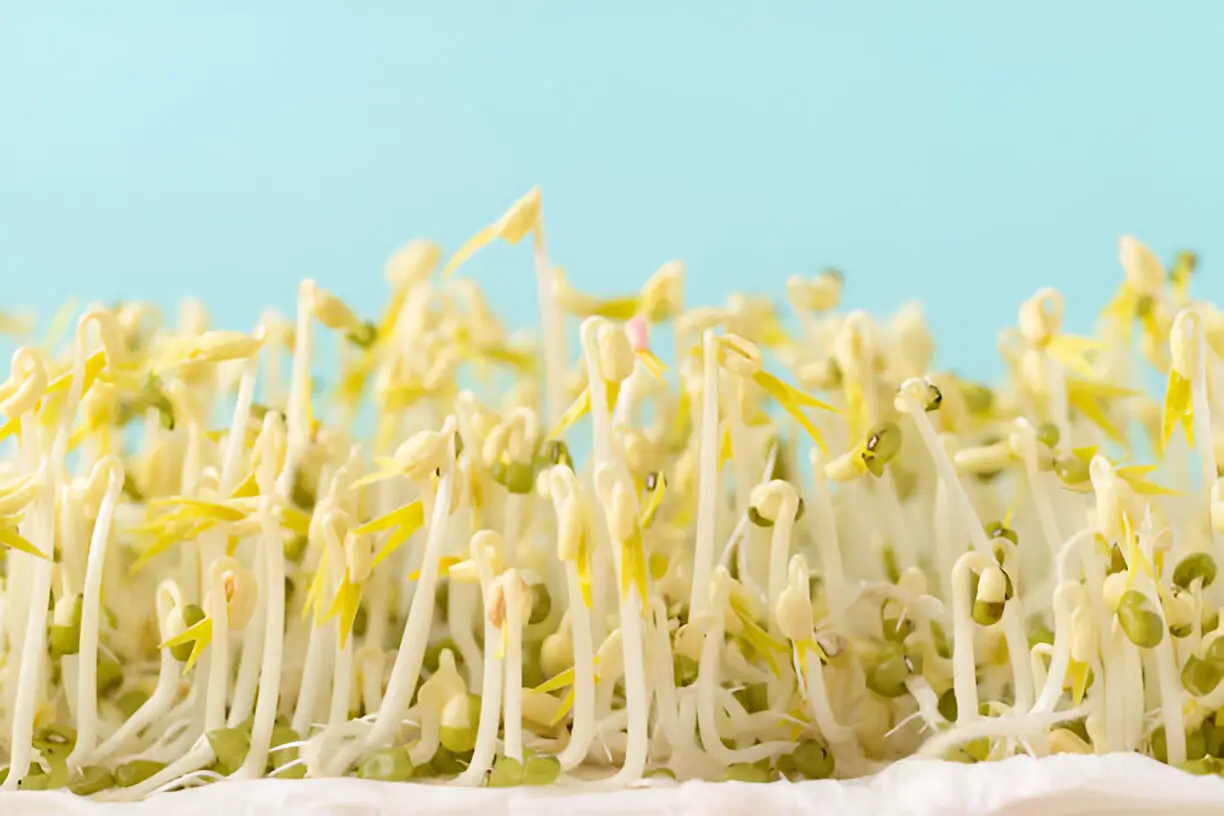
Each morning felt like a tiny reveal—checking in on their progress as if I were nurturing something much bigger than a handful of legumes. Within just a few days, those humble mung beans transformed into lively sprouts with long white tails. And then, almost unexpectedly, delicate green leaves began to emerge, peeking out like curious toddlers exploring the world for the first time. That’s when I paused and wondered if I had gone a step too far.
Have you ever found yourself staring at your homegrown food and questioning whether you’ve done it right? Are those leafy tops a sign of freshness—or a warning that you’ve let them grow too long? It’s a surprisingly common moment of doubt, especially when something as simple as a sprout suddenly looks a little different than what you’re used to seeing at the store.
In this article, I’ll walk you through what I discovered about mung bean sprouts, especially when those tiny leaves appear. You’ll learn what’s safe to eat, how sprouting stages affect taste and nutrition, and how to grow them just the way you like. By the end, you’ll feel confident turning your kitchen into a mini sprout haven—without second-guessing what ends up on your plate.
The Anatomy of a Mung Bean Sprout
Before we talk safety, let’s crack open the anatomy of a mung bean sprout. Each sprout has:
- The root (also called the “tail”): the long white part you see sprouting downward.
- The stem: crisp and juicy, usually the part we eat in stir-fries.
- The cotyledons (leaves): the tiny green “leaves” at the tip of the sprout, which emerge once the seed’s stored energy kicks into high gear.
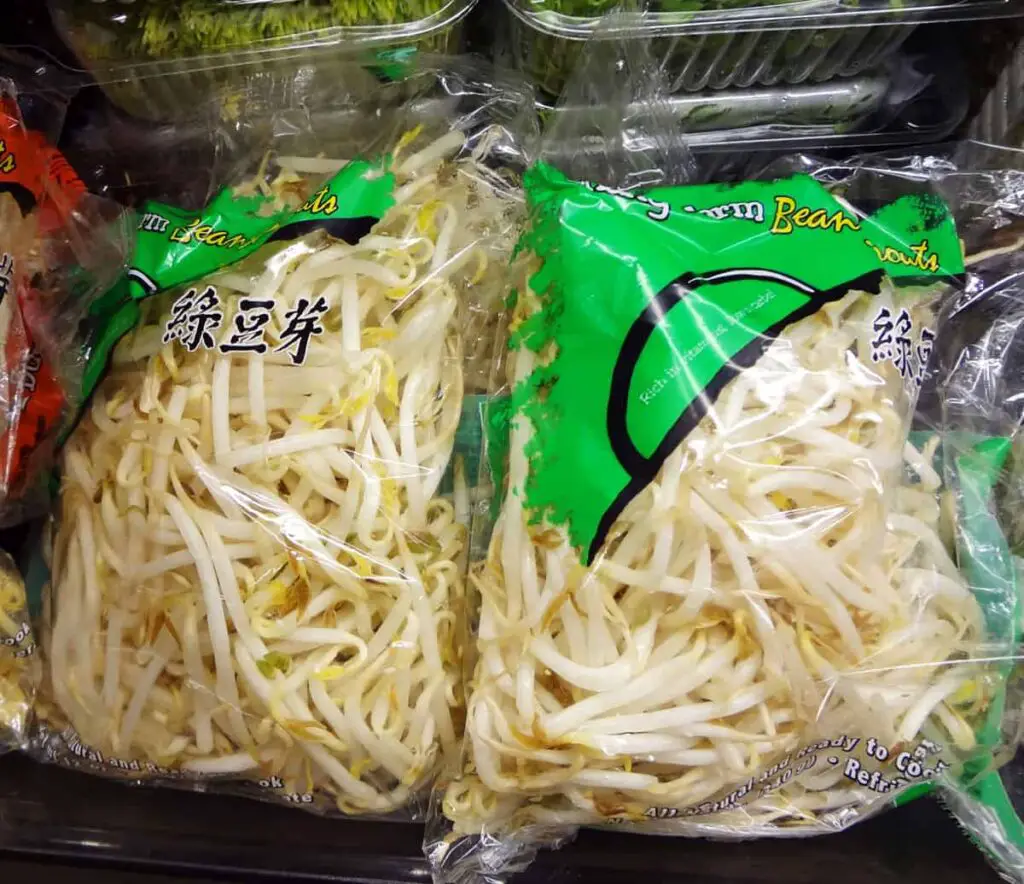
Most commercial sprouts you buy at the store are harvested before these leaves appear. But if you’re sprouting at home—or buying sprouts from a farmer’s market—you’ve probably seen them.
Are Mung Bean Sprout Leaves Safe to Eat?
Short answer: Yes. The leaves are not only safe to eat—they’re also packed with nutrients and fiber. These little green guys are just the next natural stage in the sprout’s life cycle. Think of them as the early pages of a book that’s only just beginning to unfold.
Still, there’s a catch. The safety of eating the leaves depends more on how you grow, handle, and store the sprouts than the leaves themselves.
When the Leaves Are a Green Light (And When They’re Not)
Let’s break it down into a table for clarity:
| Leaf Condition | Safe to Eat? | Notes |
| Bright green, tender | ✅ Yes | Fresh and nutrient-rich |
| Slightly yellowish | ✅ Yes | Common in sprouts grown with limited light |
| Slimy or mushy | ❌ No | Toss them—likely spoiled or moldy |
| Brown or black spots | ❌ No | Sign of decay, bacteria, or fungal growth |
| Sour or musty smell | ❌ No | Off-putting odor = unsafe for consumption |
My First Time Eating the Leaves
The first time I ate mung bean sprout leaves, I felt like I was cheating. Grocery stores always sell the clean, white, leafless variety—so naturally, I assumed that was the “right” way. But I took the leap and tossed a handful of homegrown leafy sprouts into my stir-fry.
What I got was a pleasant surprise: a slightly grassy flavor, a hint of bitterness, and a texture that felt like something between baby spinach and pea shoots. It added complexity—like jazz hands in a salad.
Check out: Mung Bean Sprouts vs. Soy Bean Sprouts Differences You Should Know
Nutritional Perks of the Leaves
If you’re a fan of nutrient-dense greens, mung bean sprout leaves deserve a spotlight. They bring a few solid benefits to the table:
- Rich in chlorophyll: That fresh green color means more antioxidants.
- Source of Vitamin C and K: Support immunity and blood clotting.
- Digestive enzymes: The leaves often contain enzymes that aid digestion.
- Fiber boost: Adds roughage to keep things moving smoothly.
How I Grow Mine (Safely!)
Safety begins before the sprouts ever hit the plate. Here’s my no-fail method for clean, crisp, edible sprouts—leaves included:
Daily Sprout Routine:
- Rinse twice a day. Morning and evening—no exceptions.
- Use filtered water. Especially if you’re soaking overnight.
- Keep jars or containers tilted. Good drainage prevents rot.
- Provide airflow. Don’t suffocate your sprouts in sealed containers.
- Harvest early. I usually eat mine around day 4–6, just when the leaves begin to unfurl.

To Cook or Not to Cook the Leaves?
Here’s where things get fun. You can eat mung bean sprout leaves raw or cooked—depending on your mood and recipe.
Raw Options:
- Toss them into salads for a peppery crunch.
- Add them to sandwiches or wraps.
- Use them as a garnish for soups or noodle bowls.
Cooked Options:
- Stir-fry with garlic and sesame oil.
- Add to curries in the last few minutes.
- Toss into scrambled eggs for a green boost.
| Cooking Method | Leaf Texture | Flavor Impact |
| Raw | Crisp, slightly chewy | Grassy, mildly bitter |
| Stir-fried (quick) | Soft with a little snap | Nutty and mellow |
| Steamed or boiled | Very soft | Less flavor, but easy to digest |
Continue: Can You Cook Brussels Sprouts Whole? Why It’s Worth Trying
What About Sprout Safety Warnings?
You’ve probably heard warnings about raw sprouts and foodborne illness. It’s true that sprouts, in general, can harbor bacteria like E. coli or Salmonella if not handled properly. But this applies to the whole sprout—not just the leaves.
Here’s how I reduce my risk:
- Use clean, food-safe containers.
- Buy organic, untreated mung beans for sprouting.
- Keep sprouts refrigerated after harvest.
- Eat within 3–4 days.
- When in doubt, cook them. A quick sauté can kill any harmful microbes.
Final Verdict: Should You Eat the Leaves?
Absolutely! If they’re fresh, vibrant, and free from odd smells or slime, the leaves are not only safe—they’re a tasty, healthy bonus. Think of them as the crown on top of a crispy stalk. The leaves add texture, flavor, and nutrition that you’d miss if you tossed them out.
Quick Recap
Here’s the takeaway in a nutshell:
- ✅ Mung bean sprout leaves are edible and nutritious.
- 🧼 Cleanliness is key—rinse and drain daily.
- 🍳 Eat them raw or cooked, depending on your dish.
- 🚫 Avoid any that smell sour, look slimy, or feel mushy.
My Go-To Recipe with the Leaves
Want to try eating them? Here’s one of my favorite quick recipes:
Leafy Mung Bean Sprout Stir-Fry
Ingredients:
- 2 cups mung bean sprouts (with leaves)
- 1 clove garlic, minced
- 1 tsp sesame oil
- 1 tsp soy sauce
- Pinch of salt
Instructions:
- Heat sesame oil in a pan over medium heat.
- Add garlic and sauté for 30 seconds.
- Toss in the sprouts and stir-fry for 2–3 minutes.
- Add soy sauce and salt. Stir once more.
- Serve hot with rice or noodles.
Conclusion
Don’t judge a sprout by its leaf. Those tiny greens growing at the tips of your mung bean sprouts are not only safe to eat—they might just become your new favorite kitchen secret. Treat them right, and they’ll return the favor on your plate.
Want to level up your sprouting game or curious about soaking sprouts tips? Drop your questions in the comments—I’d love to chat sprouts with you.