Duck vs. Chicken: What’s the Real Difference in Taste?

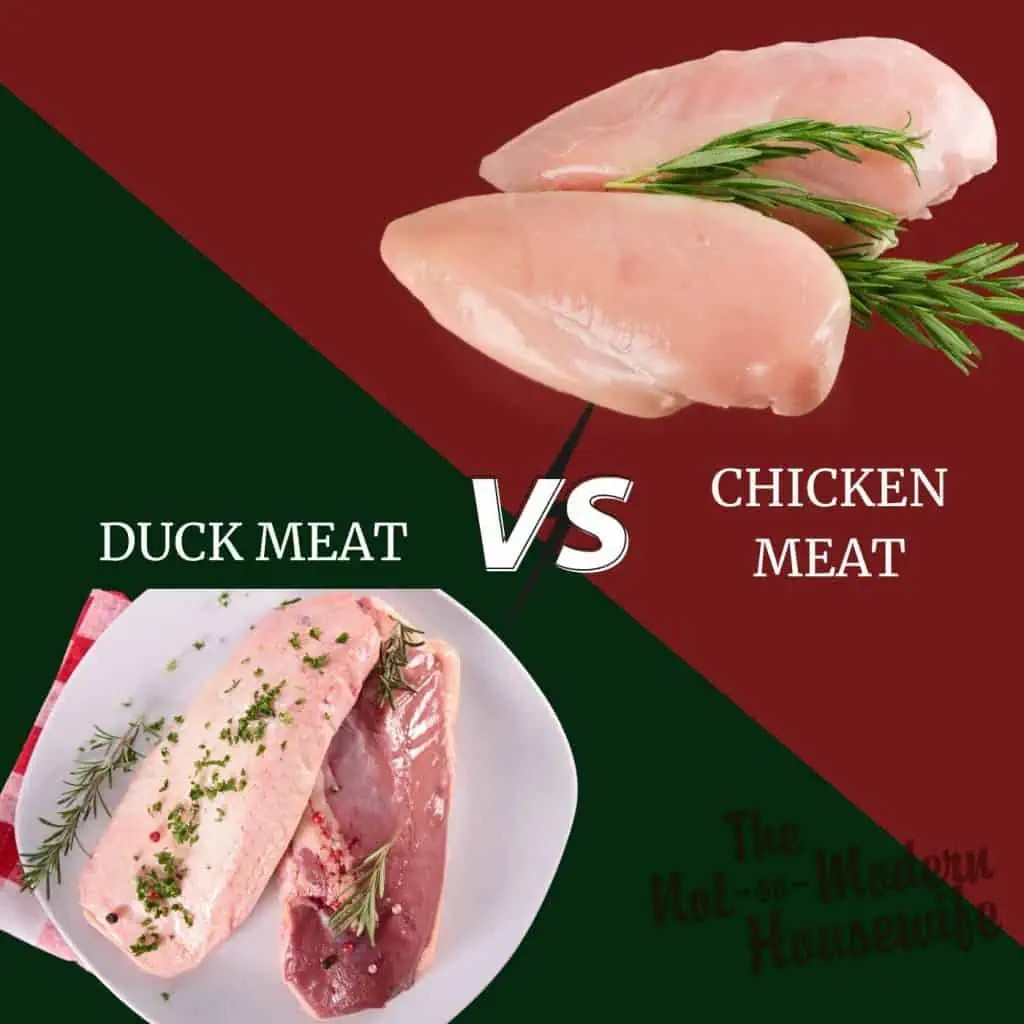
If you’ve ever wondered what makes duck so distinct from chicken, you’re not alone. As a person who loves exploring flavors, I’ve spent plenty of time comparing the two. Duck isn’t just a fancy meal served at special occasions; it’s a delicious and complex protein that offers a whole new world of taste, especially when you compare it to chicken. But what sets these two birds apart?
Let’s dive into the real difference in taste, texture, and preparation that makes duck and chicken two different beasts on your plate.
The Basic Flavor Profile: A Game of Richness
When I first tried duck, I was taken aback by its richness. Duck meat is darker, fattier, and more intense in flavor compared to chicken. If chicken is the mild, comforting companion on your dinner plate, duck is the bold, adventurous guest that’s ready to take your taste buds on a ride.
Chicken, with its lean white meat, is often described as neutral. This mildness makes it versatile, able to absorb the flavors of spices, marinades, and sauces. Duck, on the other hand, has its own robust flavor, naturally rich and gamey. There’s no denying the distinctive taste that comes from duck—one that isn’t shy about standing out. The fat, particularly the duck fat, adds a layer of indulgence that’s hard to replicate with chicken.
Duck vs Chicken: Nutritional Impact on Flavor
When it comes to taste, nutrition plays a bigger role than most people think. Duck and chicken may look similar on the plate, but their fat, protein, and calorie levels shape how they taste, feel, and satisfy.
Nutritional comparison (per 100g):
| Nutrient | Duck | Chicken |
| Calories | ~337 | ~239 |
| Fat | ~28g | ~14g |
| Protein | ~19g | ~27g |
Duck’s higher fat content gives it a richer, juicier flavor, while chicken’s leaner profile delivers a lighter, cleaner taste.
People often assume chicken is always the healthier option—and in many cases, it is due to lower fat. However, duck offers deeper flavor, which can feel more satisfying in smaller portions.
Texture: Fat, Flavor, and Juiciness
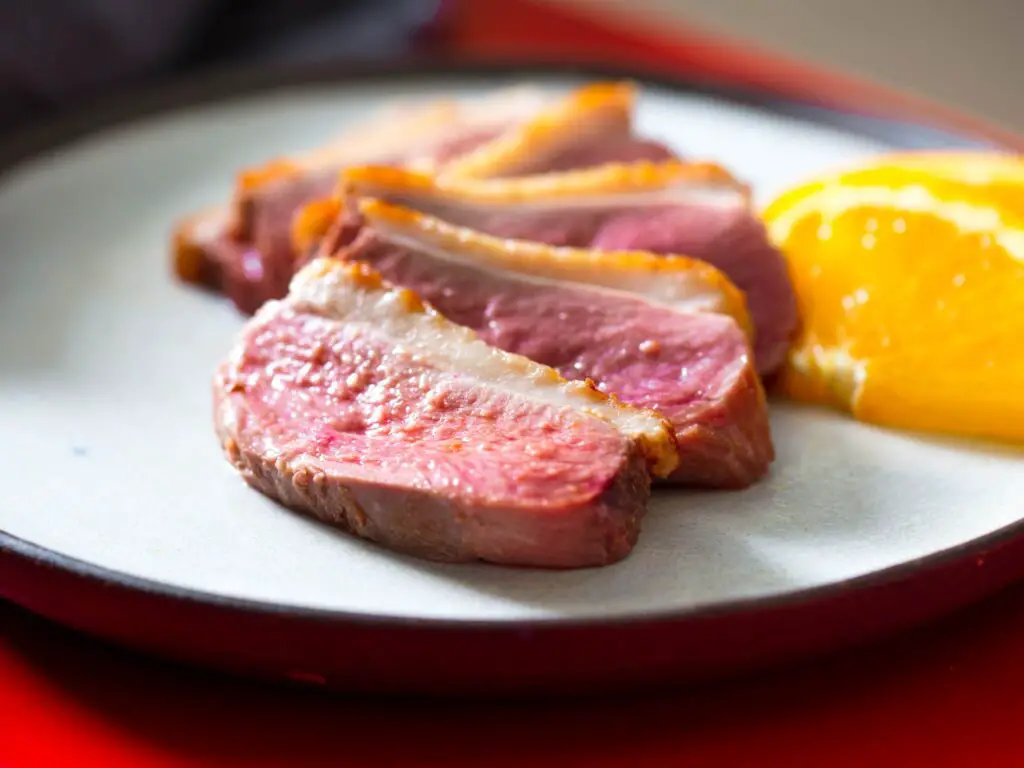
The difference in texture between duck and chicken is one of the most striking contrasts. Duck meat, especially from the breast, is often more tender and juicy, owing to its higher fat content. The fat helps lock in moisture, giving the meat a luscious, melt-in-your-mouth quality. Chicken, by comparison, can be drier, especially if you’re dealing with breast meat. While chicken can certainly be juicy when cooked right, it doesn’t have the same fatty richness that duck provides.
Let’s not forget about the skin. Duck skin—crispy and golden brown after roasting—is a treat all on its own. The process of rendering duck fat is what leads to the skin’s signature crispy texture. Chicken skin can get crispy, too, but it tends to be thinner and lacks the same richness as duck skin. If you’ve never had duck with that perfectly crispy skin, you’re missing out on one of the finer things in life.
Cooking Methods: A Whole New Ball Game
Now, let’s talk about how these two birds are cooked. Chicken is easy and familiar, right? You can roast it, grill it, fry it, or throw it in a stew. It’s the ultimate kitchen chameleon. Duck, however, requires a little more finesse. Since duck is fattier, rendering that fat properly is key to getting the perfect crispy skin. It’s not hard, but it’s a little more hands-on than your average chicken recipe.
When cooking duck, you’ll often find yourself slow-roasting it or pan-searing it with a fat-rendering technique. This process ensures the skin crisps up while the meat stays juicy and flavorful. On the other hand, chicken cooks relatively quickly and doesn’t require much attention to fat. This makes chicken more forgiving in the kitchen, while duck demands a little more patience and care.
The Versatility Factor: Duck’s Special Role in Gourmet Cooking
While chicken is undeniably versatile, duck holds its own in the world of gourmet cooking. Duck is often associated with more refined dishes, frequently seen in high-end restaurants or on holiday tables. Think duck à l’orange or duck confit. These dishes bring out the richness of duck, pairing it with complementary ingredients that enhance its flavor.
Chicken, being so accessible and adaptable, doesn’t have the same gourmet reputation. While you can certainly dress it up with elegant sauces and garnishes, chicken typically leans towards comfort food or casual meals. That’s not to say chicken can’t be fancy, but it’s often viewed as the workhorse of the kitchen, doing everything from quick weeknight dinners to high-end dishes with a bit of creativity.

Check out: Why is Duck Served Rare While Chicken is Always Cooked Thoroughly?
Nutritional Differences: What’s on Your Plate?
In terms of nutrition, duck is richer than chicken. It’s higher in fat, particularly saturated fat, which is why it has that luxurious taste. However, it also provides more calories per serving than chicken. If you’re on a calorie-conscious diet, chicken is usually the lighter option.
On the other hand, duck offers more iron and zinc, making it a solid choice for those looking to boost their intake of these important minerals. It’s also higher in protein, though the extra fat can offset that if you’re looking for a leaner source of protein. In a nutshell, duck is a more decadent protein compared to chicken, so if you’re eating it, you’re indulging a little bit more.
Conclusion: The Bottom Line
So, is duck better than chicken? Well, that depends on what you’re in the mood for. Duck offers a richer, more indulgent flavor and texture, making it perfect for special occasions or when you want to treat yourself to something unique. Chicken, however, is the dependable, versatile protein that works well in virtually any recipe. Both have their place in the kitchen, and both can be absolutely delicious when prepared well.For me, the decision usually comes down to the occasion. When I want a comforting, quick meal, chicken’s my go-to. But when I’m feeling adventurous or want to impress at a dinner party, duck steals the show. What’s your favorite? Whether you’re a duck enthusiast or a die-hard chicken fan, both birds bring something special to the table.