
Why Soaking Duck Breast Might Just Be the Secret to a Flavorful Feast

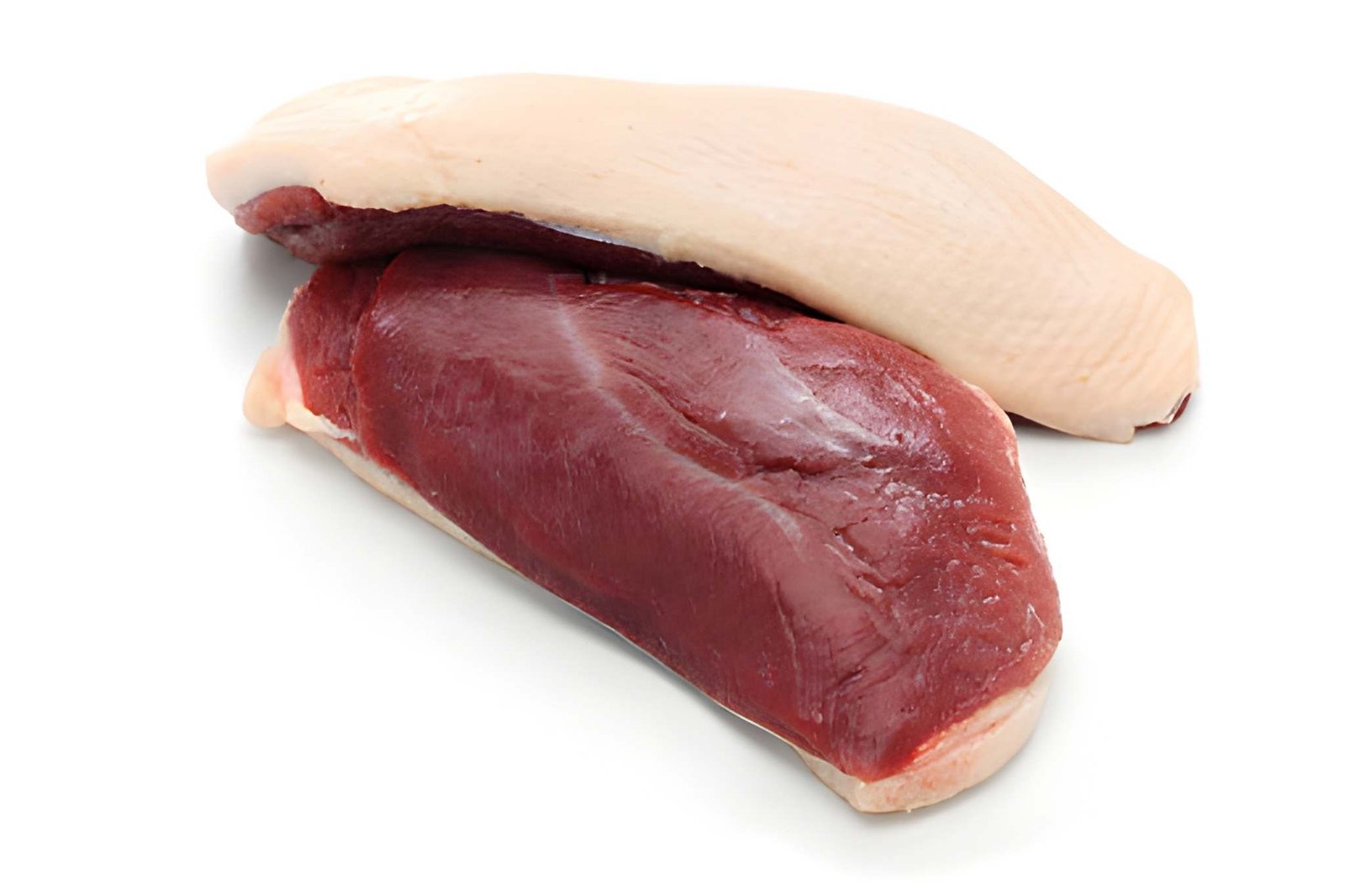
When it comes to cooking, I’ll admit, I’m a bit of a flavor chaser. The idea of taking something as rich and succulent as duck breast and elevating it even further sounds almost too good to be true. Yet, there’s one trick I stumbled upon that took my duck game to a whole new level: soaking.
I know, I know. It sounds a little out of left field, especially when you think of soaking as something you’d do with beans or dried fruits, not meat. But trust me, soaking duck breast before cooking just might be the secret ingredient you’ve been missing. Allow me to share my journey of how this simple step transformed my cooking and the juicy, tender results that followed.
Why Soaking Duck Breast Works Wonders
You might be wondering, “Why would soaking duck breast before cooking help?” The answer is simple: it’s all about tenderizing the meat and infusing it with flavor.
Duck breast, as flavorful as it is, has a certain richness that can sometimes feel a bit overwhelming, especially if it’s overcooked or not prepared properly. Soaking the breast before cooking can help cut through that richness, leaving you with a perfectly balanced, tender bite that has just the right amount of depth.
Here’s the breakdown:
- Tenderizing: Duck, being a leaner meat with tougher fibers, can benefit from a little extra TLC before hitting the pan or grill. Soaking helps break down the muscle fibers, resulting in a more tender and juicy cut of meat.
- Flavor Infusion: Soaking duck breast in a marinade or brine allows the flavors to seep deep into the meat. This is the perfect opportunity to layer in spices, herbs, or even fruits, creating a flavor-packed meal that doesn’t just sit on the surface.
- Moisture Retention: Duck breast can be prone to drying out, especially if cooked improperly. Soaking it before cooking helps retain moisture, ensuring that every bite is juicy.
The Soaking Process: What You Need to Know
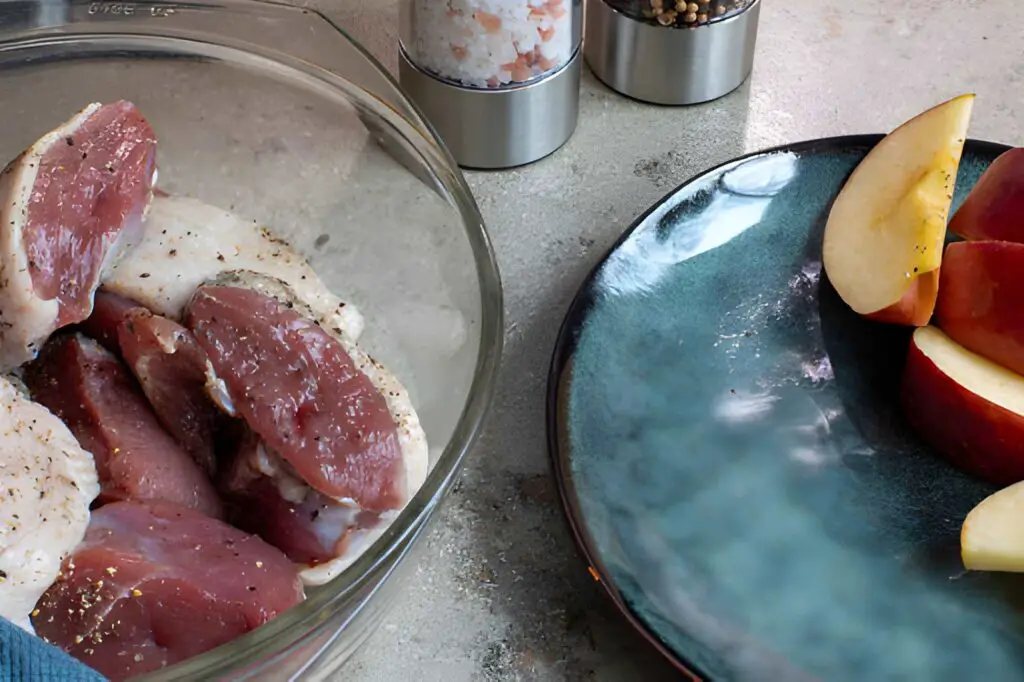
You might be itching to try soaking duck breast but unsure where to start. Trust me, it’s easier than you think. There are two main approaches when it comes to soaking duck: brining and marinating. Each one offers its own unique benefits, depending on what you’re aiming for in terms of flavor and texture.
Brining Duck Breast: The Salty Secret
Brining is one of the most effective ways to keep meat juicy while enhancing its natural flavor. When you brine duck breast, the salt in the brine solution works to break down the muscle fibers, allowing the meat to absorb moisture, which helps retain tenderness throughout the cooking process.
How to Brine Duck Breast:
- Ingredients: You’ll need water, salt, sugar (optional), and any flavorings you’d like to add (think garlic, bay leaves, and peppercorns).
- Time: Let the duck breast soak in the brine for about 1-2 hours in the refrigerator. Don’t go overboard—brining for too long can lead to overly salty meat.
Pro Tip: If you’re feeling fancy, add a splash of orange juice or a few sprigs of rosemary to the brine for a refreshing citrusy kick that complements duck beautifully.
Related:
Are Wood Ducks Good to Eat? (Cooking with Wood Ducks)
Marinating Duck Breast: Infuse Flavor Like a Pro
While brining works wonders for moisture retention, marinating takes it one step further by infusing your duck with bold, aromatic flavors. The marinating process is perfect for those who want to experiment with different flavor profiles—from savory soy sauce to sweet honey and tangy citrus.
How to Marinate Duck Breast:
- Ingredients: For a basic marinade, use a combination of oil, acid (like vinegar or citrus juice), herbs (thyme and rosemary), and spices (pepper, garlic, chili flakes). You can also throw in some fruit—think orange, pomegranate, or even fig—for a unique sweet-and-savory combo.
- Time: Marinate the duck breast for about 2-4 hours in the refrigerator. Longer than that, and you risk breaking down the meat too much, which can cause it to become mushy.
Pro Tip: To add complexity to your marinade, try a mix of soy sauce and honey with ginger, garlic, and a splash of sesame oil. This creates a nice balance of sweet and savory, enhancing the duck’s rich flavor.

Can You Marinate Duck in Milk?
Yes, you can absolutely marinate duck in milk. In fact, soaking duck in milk or saltwater for about 12 hours is a great way to draw out any lingering blood and remove that strong, sometimes off-putting “liver taste” that can come with duck meat. Milk helps tenderize the meat, giving it a mild, more neutral flavor that’s perfect for those new to cooking duck.
If you’re looking for flavor depth, there are a few other options. Two tried-and-true marinades that never fail are Italian salad dressing and raspberry vinaigrette. Both add a tangy, sweet, or savory kick, making the duck more tender and flavorful. Soak the duck in these marinades for 6 to 18 hours, depending on how intense you want the flavor.
Marinating Tips for Duck
| Marinade Type | Soak Time | Flavor Profile |
| Milk/Saltwater | 12 hours | Mild, neutral |
| Italian Salad Dressing | 6–18 hours | Savory, tangy |
| Raspberry Vinaigrette | 6–18 hours | Sweet, slightly tart |
Soaking your duck in milk or a flavorful marinade is an easy way to improve texture and taste, giving you a delicious, well-prepared meal!
Should You Always Soak Duck Breast?
Now that we’ve covered why soaking is a game changer, you might be asking, “Is soaking duck breast always necessary?” No, sometimes the meat itself is sufficient. You may not need to soak premium-quality duck breast from a well-known farm or butcher. Fresh, high-quality duck breast will often have enough flavor and tenderness on its own, so you can focus on simple seasoning and proper cooking techniques.
However, if you’re working with a slightly tougher or less flavorful cut of duck, soaking can help elevate the dish to new heights. Even with top-quality duck, marinating or brining can add layers of flavor that take your meal from good to unforgettable.
The Best Cooking Methods for Soaked Duck Breast
Once you’ve soaked your duck breast, it’s time to cook it to perfection. Getting the cooking technique right can make a significant difference when cooking duck. Here are a few methods that work wonders after soaking:
Pan-Seared Duck Breast
Pan-searing duck breast is one of my all-time favorite cooking methods. The combination of crispy skin and tender meat is truly exceptional.
- Step 1: Heat a heavy skillet (preferably cast iron) over medium heat. Don’t add oil; the fat from the duck breast will render as it cooks.
- Step 2: Score the skin of the duck breast in a criss-cross pattern to help render the fat. This also ensures a crispy skin.
- Step 3: Place the duck breast skin-side down in the skillet and cook for about 6-8 minutes, depending on thickness.
- Step 4: Flip the duck breast and cook for an additional 2-4 minutes, or until your desired doneness is achieved.
Grilled Duck Breast
Grilling adds a smokiness that pairs beautifully with the rich flavors of duck. After soaking, grilling is a great way to achieve that perfect balance of crispy skin and juicy meat.
- Step 1: Preheat your grill to medium-high heat.
- Step 2: Place the duck breasts on the grill, skin-side down, and cook for about 5–7 minutes.
- Step 3: Flip the duck breast and cook for an additional 3–4 minutes.
Flavor Pairings to Elevate Your Duck Dish
Once your duck breast is perfectly soaked, cooked, and sliced, the fun part begins: pairing it with sides and sauces that complement its rich flavor. Here are some of my favorite flavor combos:
- Fruits: Duck pairs exceptionally well with fruit. Think cherries, oranges, and pomegranates. A sweet-and-tart fruit compote can balance the richness of the duck beautifully.
- Herbs: Fresh rosemary, thyme, and sage work wonders with duck. I often throw a sprig of rosemary into the pan while searing for that added earthy touch.
- Wine: A bold red wine like Pinot Noir or Merlot is the perfect pairing. The wine’s acidity cuts through the richness of the duck, making each bite feel like an additional burst of flavor.
Final Thoughts: Is Soaking Duck Breast Worth It?
After experimenting with different soaking methods, I can confidently say that soaking duck breast has definitely elevated my cooking. Whether it’s a brine that keeps the meat juicy or a marinade that infuses deep layers of flavor, soaking is one trick I’ll always keep in my culinary toolbox. So, the next time you’re preparing duck, don’t skip this step—it might just be the secret ingredient you’ve been missing.
By soaking your duck breast before cooking, you’re not just adding flavor—you’re creating a masterpiece that’s juicy, tender, and unforgettable. Go ahead, give it a try. Your taste buds will thank you.
Let me know if you want to explore more tips, or if you’d like to create a recipe for your next duck dinner!