Can Confit Beat Deep Frying in the Health Game? Let’s Find Out

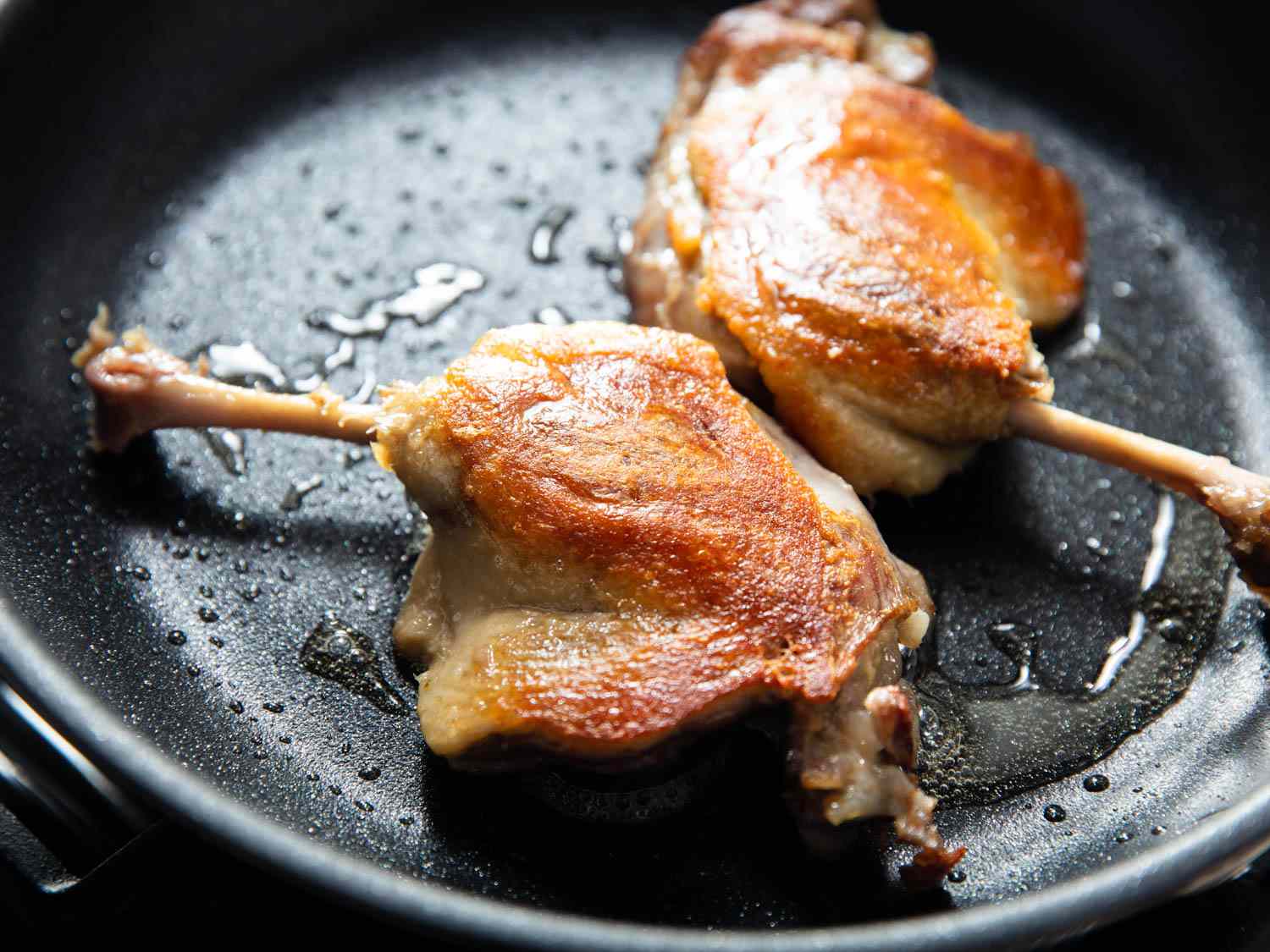
I’ve stood in my kitchen more than once, duck leg in one hand and frying oil in the other, torn between going full French with a confit or tossing it into the fryer for that golden crunch. Let’s face it—both methods scream flavor, but if you’re anything like me, you’re also side-eyeing your arteries. So I dove headfirst into the health debate: Is confit really the lesser evil compared to deep frying?
Spoiler: It’s not just about the fat. It’s about how that fat behaves, how much sticks, and how your body handles it.
Understanding the Basics: What’s Confit and What’s Deep Frying?
Before we slap health labels on either method, let’s get our definitions straight.
| Method | Description | Cooking Temp | Common Fats Used |
| Confit | Meat (usually duck) slow-cooked in its own fat until tender | ~200°F (93°C) | Duck fat, goose fat |
| Deep Frying | Food submerged in hot oil to create a crispy, golden crust | ~350–375°F (175–190°C) | Vegetable oil, canola, peanut oil |
Both methods use fat—plenty of it. But how they use that fat tells two very different tales.
Let’s Talk Fat: The Good, the Bad, and the Buttery
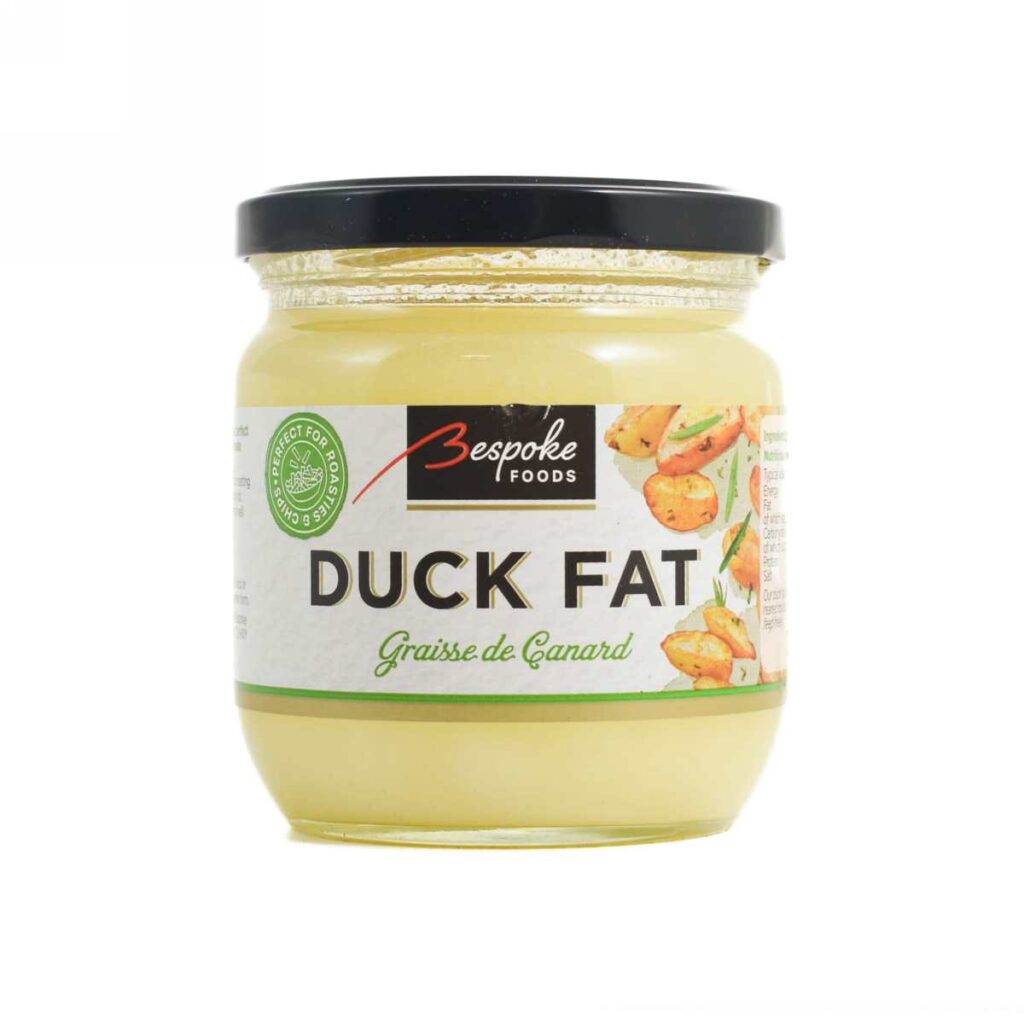
Fat isn’t the villain we once thought it was, but not all fats wear the same hat. Duck fat, the star of confit, is rich in monounsaturated fats, which are the same heart-healthy fats found in olive oil. Deep frying, on the other hand, often uses vegetable oils high in omega-6 fatty acids. While we need those too, most of us get too much—and that imbalance can stir up inflammation.
Here’s how the fats compare:
| Fat Type | Duck Fat (Confit) | Vegetable Oil (Frying) |
| Monounsaturated | High | Moderate to Low |
| Saturated Fat | Moderate | Low to Moderate |
| Omega-6 Fatty Acids | Low | High |
| Smoke Point | ~375°F (190°C) | ~400°F (204°C) |
Verdict: Duck fat carries more flavor and more health benefits in moderation.
Check out: Can You Bake Frozen Spring Rolls Instead of Deep Frying?
Cooking Method Matters: Slow vs. Sizzle
Here’s the kicker: Confit is a slow dance, while deep frying is a full-throttle sprint. The slow cooking process in confit doesn’t just soften the meat—it allows less fat to be absorbed because the food isn’t battered and doesn’t puff up like a sponge.
In contrast, deep-fried foods often act like grease magnets. Think fries, battered chicken, and yes, even that sad hush puppy. The crispy crust may be irresistible, but it’s often soaked in oil, which adds up—fast.
Which Uses More Oil?
- Confit: Fat acts as a cooking medium but isn’t usually consumed.
- Deep Frying: Fat is both cooking medium and absorbed into the food.
So while both methods bathe food in fat, confit tends to leave less oil clinging to the final bite.
Texture and Taste Trade-offs
Let’s not kid ourselves—deep frying wins the crunch war. There’s nothing quite like that first shattering bite into golden skin. But confit? It delivers a different kind of satisfaction. The meat melts in your mouth like it’s been slow-dancing in butter all afternoon.
Still, I’ll admit: sometimes I want the crisp, and that’s where a sneaky trick comes in. I cook duck legs confit-style, then crisp the skin under a broiler. Boom—best of both worlds.
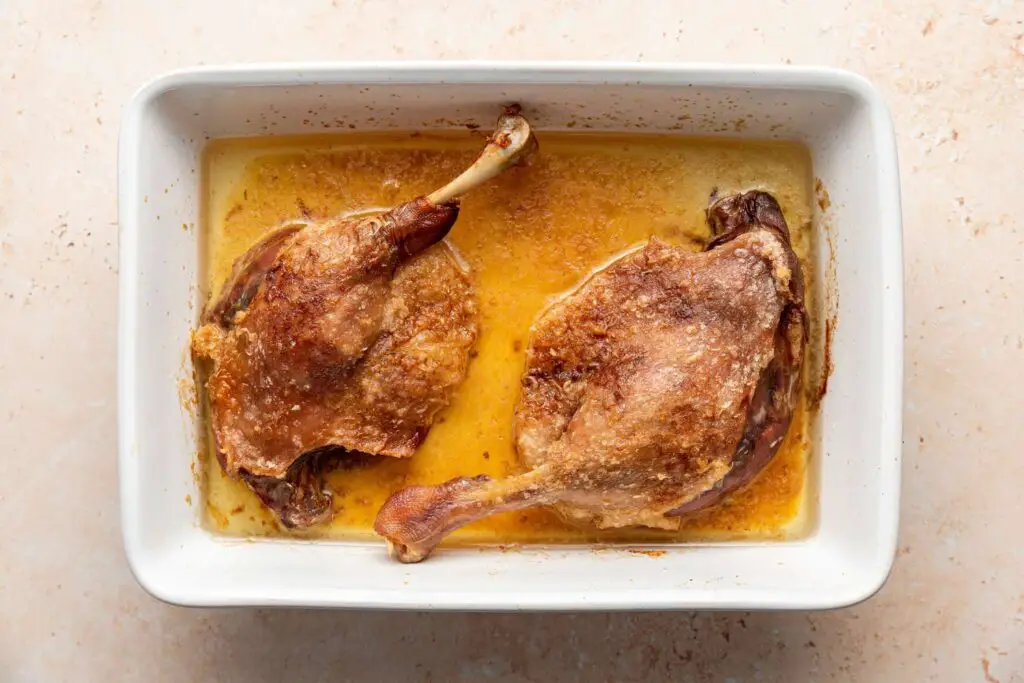
Nutritional Punchline: What Does the Science Say?
Researchers and chefs alike agree: low-and-slow methods like confit tend to preserve more nutrients and avoid creating harmful compounds.
With deep frying, especially when the oil is reused or overheated, harmful stuff like acrylamides and trans fats can form. These can mess with cholesterol levels and have been linked to chronic inflammation.
| Health Factor | Confit | Deep Frying |
| Nutrient Retention | High | Lower due to heat |
| Risk of Harmful Compounds | Low | Higher (especially w/ reused oil) |
| Fat Absorption | Moderate | High |
| Overall Health Score* | ★★★★☆ | ★★☆☆☆ |
*My unofficial scorecard after weeks of experimenting, tasting, and reading nutrition journals over breakfast.
When I Choose One Over the Other
Here’s my rule of thumb:
- When I want to impress dinner guests or feel like I’m treating myself to French luxury, I go for confit.
- When I want a quick crunch fix, or it’s game night with wings and fries, I’ll break out the fryer—but just occasionally.
Still, I keep duck fat in my fridge year-round. It’s magic on potatoes, eggs, and even popcorn (don’t knock it till you try it).
Can You Confit in Butter?
Absolutely, you can confit in butter—and it’s a total game-changer for home cooks. Traditional confit usually calls for duck fat, but butter works beautifully in a pinch. It wraps the duck legs in a creamy, rich bath that keeps the meat moist and infuses it with deep flavor.
All you need are three simple ingredients:
- Duck legs
- Salt
- Butter (a generous amount)
Just salt the duck legs, let them rest, then slowly cook them in melted butter for about three hours. The result? Incredibly tender duck with crispy skin and a rich, buttery finish that feels fancy but is surprisingly easy.

Why Butter Works for Confit
| Feature | Butter-Based Confit |
| Flavor Profile | Rich, slightly sweet, and savory |
| Texture | Moist meat, crispy outer skin |
| Cook Time | About 3 hours |
This shortcut might not be traditional, but it delivers big bistro flavor with minimal effort.
Also read: Clarified Butter vs. Margarine: Unveiling the Differences
How Do You Reheat Confit Duck?
eheating confit duck isn’t just about warming it up—it’s about bringing that crispy skin and tender meat back to life. If you rush the process, you might lose the magic that makes confit so irresistible.
The best method? Use the oven. Preheat it to 375°F (190°C). Place the duck legs skin-side up on a wire rack set over a baking tray. Bake for 15–20 minutes or until the skin crisps up and the meat heats through.
Quick Reheat Tips:
- Avoid the microwave—it turns crispy into soggy.
- If using a skillet, place the duck skin-side down on medium heat for crispiness.
| Method | Time | Texture Result |
| Oven | 15–20 min | Crispy, juicy |
| Skillet | 8–10 min | Crispy skin |
| Microwave | 2–3 min | Soft, rubbery |
For the best bite, patience is key.
Look at: Is Duck Confit Bad for You?
My Final Verdict
So, is confit healthier than deep frying?
In a nutshell? Yes.
You’ll still consume fat, but you’ll consume it smarter. Duck fat offers a richer nutritional profile and, because confit doesn’t soak the meat, you get all the flavor without the oil slick. That said, moderation is still the name of the game.
Both methods can be part of a balanced diet if you treat them like you would a decadent dessert—enjoyed, but not overindulged.
Quick Recap: Confit vs. Deep Frying
| Feature | Confit | Deep Frying |
| Cooking Time | Slow (~2–3 hours) | Fast (~5–10 minutes) |
| Fat Type | Duck fat (healthier) | Veg oil (more omega-6s) |
| Texture | Tender, rich | Crispy, light |
| Oil Absorption | Less | More |
| Healthier Option? | ✅ Yes | ❌ Less so |
One Last Bite
Food is culture, comfort, and joy—and let’s be honest, fat makes things delicious. The trick is knowing which fats to favor, how to use them, and when to reach for the fryer or the Dutch oven. I’ll always have room in my kitchen for both techniques, but when health’s on the line, confit takes the win.
So next time you’re staring down that duck leg or eyeing your cast iron skillet, ask yourself: Do I want a sprint or a slow dance?