Can I Cook Frozen Pork Chops Without Defrosting?

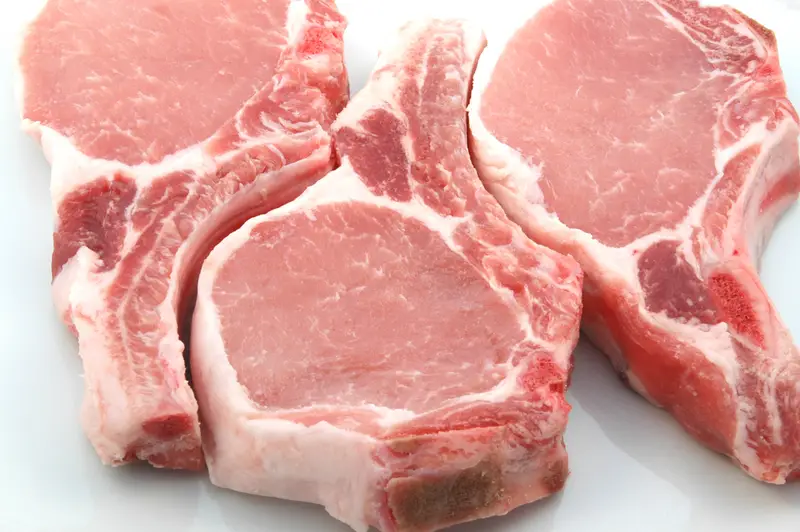
I’ll admit it—I’ve stood in front of my freezer more times than I care to count, staring at a rock-solid pack of pork chops like it personally betrayed me. Dinner time creeping in, stomach growling, and there they sit… frozen stiff as a board. No time to thaw, no backup plan. That’s when I asked myself: Can I just cook these straight from frozen and call it a day?
Turns out, yes—you absolutely can. And once I figured out how to do it right, it felt like unlocking a kitchen cheat code. No more waiting around for hours or resorting to takeout. But like most shortcuts, there’s a right way and a wrong way to pull it off.
Let me walk you through everything I’ve learned—from safety to timing to getting that perfect, juicy bite.
Cooking Frozen Pork Chops: Yes, You Can
Let’s clear the air first: cooking pork chops straight from frozen is completely safe. I used to think skipping the thawing step was a culinary sin, but it’s actually fine—as long as you cook the meat thoroughly.
Here’s the golden rule I live by now:
- Cooking time increases by about 50%
- Always check doneness with a meat thermometer
If thawed pork chops take 20 minutes, frozen ones will take closer to 30. Think of it like driving through traffic—you’ll still get there, just a bit slower.
Why Cooking from Frozen Actually Works
Cooking frozen pork isn’t some kitchen shortcut gone wrong—it’s simple science doing its job. When heat hits the meat, the outer layer thaws first and starts cooking, while the center slowly follows behind like a train catching up to the front car.
But there’s a catch. If you rush it, uneven cooking can sneak in and ruin the result. The outside may look done while the inside stays undercooked, which is a real food safety risk.
That’s why I avoid cranking up the heat too high at the start. Instead, I go for a steady approach that lets everything cook evenly.
My go-to rule:
- Low heat first
- Gradual temperature increase
- Patience over speed
| Approach | Result |
| High heat early | Uneven cooking |
| Low steady heat | Even, safer results |
In cooking frozen meat, slow and steady truly wins the race.
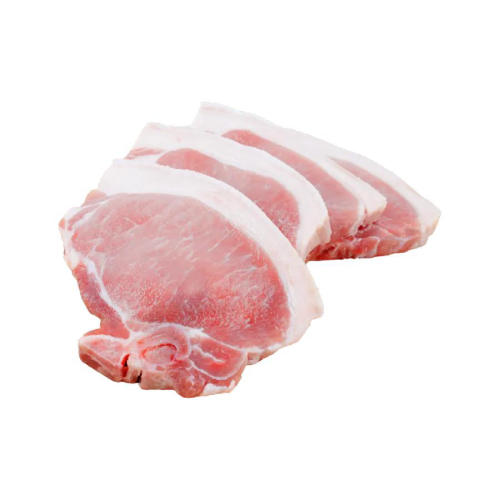
Best Ways to Cook Frozen Pork Chops
Over time, I’ve tested a few methods. Some worked like a charm, others… not so much. Here are the ones I keep coming back to:
1. Oven-Baking (My Go-To Method)
If I want something foolproof, I head straight to the oven.
Steps I use:
- Preheat oven to 180°C (350°F) or 200°C (400°F)
- Place frozen chops in a baking dish
- Season or brush with mustard (trust me, it works)
- Cover with foil to trap moisture
- Bake, then uncover to finish
Typical timing:
| Temperature | Covered Time | Uncovered Time | Total Time |
| 180°C / 350°F | 30–40 min | 10–15 min | 40–55 min |
| 200°C / 400°F | 45 min | 30–40 min | 75–85 min |
I always uncover near the end—it’s like letting the chops take a final bow with a golden crust.
2. Pan Cooking (When I’m in a Hurry)
Cooking frozen chops on the stove feels like taming a wild horse—but it’s doable.
What I do:
- Start on medium-low heat
- Let the chops thaw and cook slowly
- Increase heat at the end for browning
It takes patience, but the reward is that beautiful seared edge.
3. Grilling (For the Bold Ones)
Yes, you can throw frozen chops on the grill—but you’ll need to babysit them.
- Use indirect heat first
- Finish on direct heat for grill marks
Think of it as a two-act play: slow cook, then a dramatic finish.
How Long Does It Really Take?
Here’s a quick breakdown. I keep in mind:
| Cooking Method | Fresh Chops | Frozen Chops |
| Oven | 25–30 min | 40–50 min |
| Stove | 10–15 min | 20–25 min |
| Grill | 15–20 min | 25–30 min |
The pattern is clear—frozen = about 1.5x longer.

The One Tool I Never Skip
If there’s one thing I’ve learned the hard way, it’s this: don’t guess doneness.
A meat thermometer is an invaluable tool in this situation.
- Safe internal temperature: 63°C (145°F) (with rest time)
- For well-done: up to 74°C (165°F)
I stick the thermometer into the thickest part—no shortcuts. Undercooked pork is a risk I don’t take.

Common Mistakes I’ve Made (So You Don’t Have To)
Let me save you from a few kitchen disasters:
- Cranking heat too high → burnt outside, raw inside
- Skipping seasoning → bland, lifeless meat
- Not covering in the oven → dry as cardboard
- Not checking temperature → playing food safety roulette
Cooking frozen pork isn’t hard, but it does demand a little respect.
Simple Flavor Trick That Never Fails
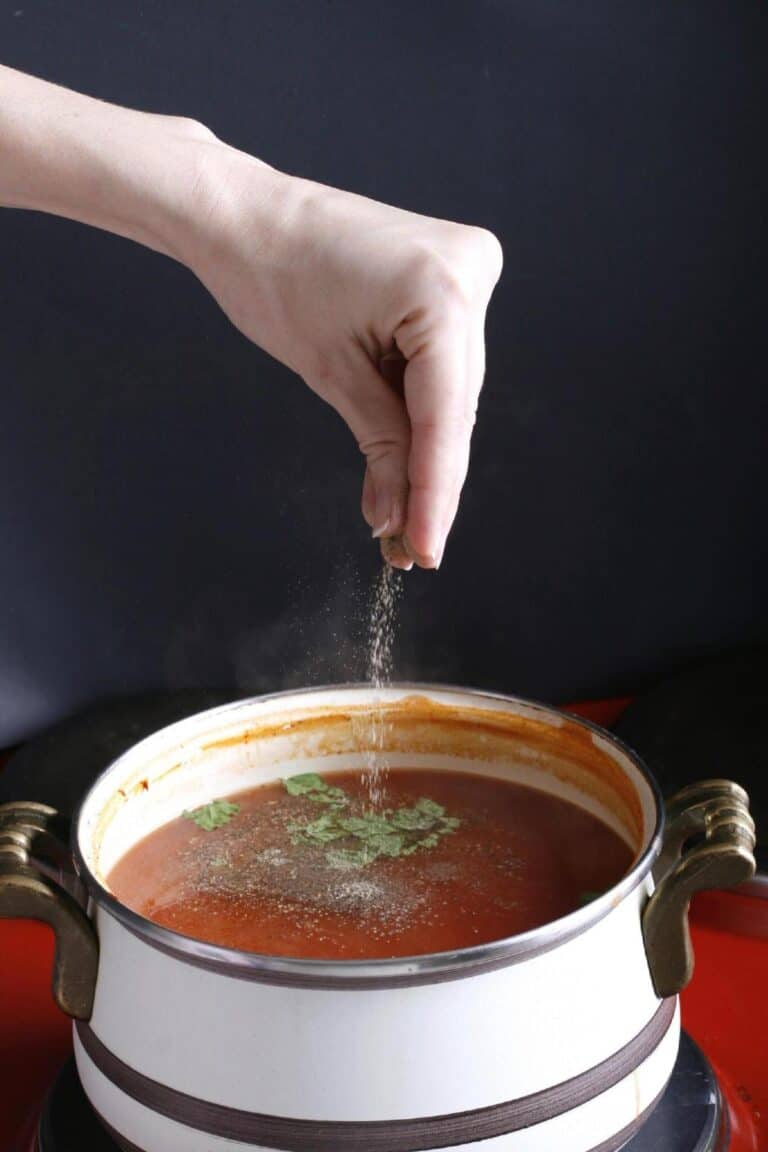
One trick I swear by? Mustard and breadcrumbs.
It sounds odd, but it works like magic:
- Mustard keeps the meat moist and adds tang
- Breadcrumbs create a light crust
It’s like giving your pork chops a cozy jacket before sending them into the oven.
Continue: Should You Thaw Frozen Alfredo Pasta Before Reheating?
Frozen vs Thawed: Is There a Difference?
Let’s be honest—fresh or thawed pork chops usually win when it comes to texture. They cook more evenly, stay juicy, and give you that tender bite most people expect from a good pork dish.
But frozen chops still hold their own. They may not be perfect, but they’re far from disappointing:
- Still tasty – flavor remains solid
- Still satisfying – fills you up just the same
- Slightly less tender – the main trade-off
| Factor | Thawed Chops | Frozen Chops |
| Texture | More tender | Slightly firm |
| Juiciness | Higher | Moderate |
| Convenience | Lower | Higher |
On busy days, convenience matters. Cooking from frozen might sacrifice a bit of tenderness, but it saves time—and that’s a trade-off many home cooks are happy to make.
Read on: Can You Bake Frozen Spring Rolls Instead of Deep Frying?
Final Thoughts: Your Freezer Is Not the Enemy
Cooking frozen pork chops used to feel like a last-minute gamble. Now, I see it as a backup plan that actually works. It’s like finding money in your coat pocket—unexpected, but incredibly useful.
So next time you forget to thaw your pork, don’t panic. Don’t abandon dinner. Just adjust your timing, cook it right, and let the heat do its thing.
Because sometimes, the best meals don’t come from perfect planning—they come from making the most of what you’ve got.