Tough Roast Duck? Here’s What You’re Doing Wrong (And How to Fix It)

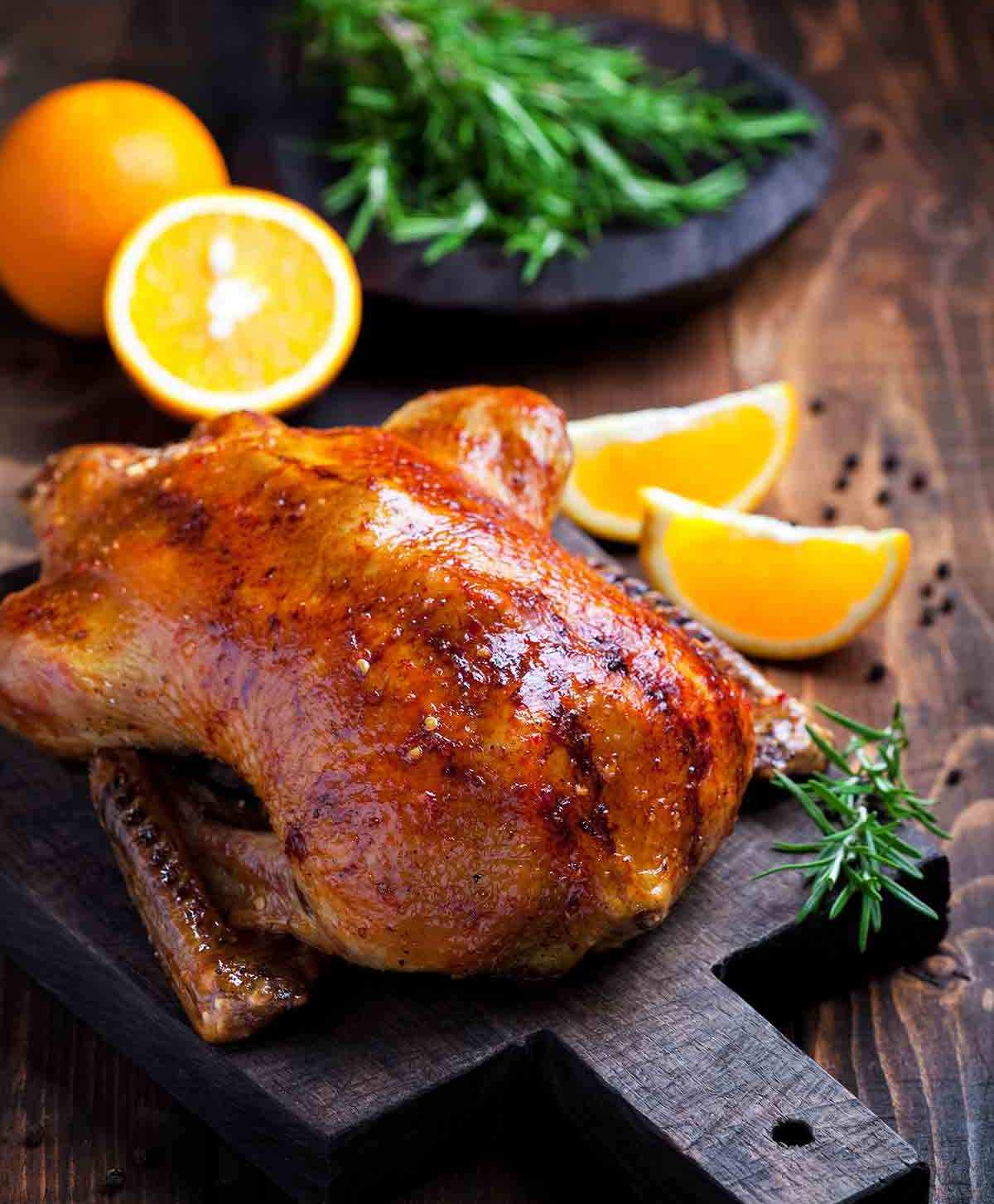
I’ll never forget the first time I tried to roast a duck. I’d envisioned a golden bird, crisp-skinned and succulent, like something out of a French bistro. What I pulled out of the oven was a jaw workout wrapped in disappointment. That bird was tougher than leather boots in a sandstorm. Since then, I’ve learned a lot about what goes wrong when roasting duck—and how to do it right.
If your roast duck turns out more like jerky than joy, don’t worry. Let’s walk through the common pitfalls and simple fixes that turn dry, chewy duck into a mouthwatering masterpiece.
The #1 Culprit: Cooking Temperature Is Too High
Duck isn’t chicken. It’s darker, richer, and needs a gentler touch. Blast it in a hot oven and you’ll burn the outside while leaving the inside stringy and underwhelming.
🔥 What Works Instead? Low and Slow
| Temperature | Cooking Time | Result |
| 300°F (150°C) | 2.5–3 hours | Tender, juicy meat |
| 375°F (190°C) | 1.5–2 hours | Good skin, but risk of dry meat |
| 425°F (220°C) | 1 hour or less | Great for crisping—but only after slow cooking |
Pro tip: Start low, then blast the heat in the last 15 minutes to crisp the skin. This method gives you the best of both worlds.
Mistake #2: Not Rendering the Fat
Duck is packed with glorious fat. But if you don’t let that fat render slowly, it ends up trapped in the meat, making it greasy and tough.
🦆 Score the Skin, Baby
Use a sharp knife to score the skin in a crosshatch pattern. Don’t slice into the meat—just the fat. This opens the door for fat to melt and escape, leaving you with paper-thin crispy skin and moist meat underneath.

Mistake #3: Skipping the Air Drying Step
This one changed the game for me. A wet-skinned duck won’t crisp. The steam builds up under the skin and turns it soggy, and soggy duck leads to chewy meat.
💨 Here’s How to Air-Dry the Right Way:
- Pat the duck dry with paper towels.
- Place it uncovered in the fridge for 24 hours.
- Let the skin tighten and dry out completely.
Trust me—this small step makes a big difference. It’s like giving your duck a spa day before the big roast.
Problem #4: Overcooking the Breast
Duck breast is lean compared to the rest of the bird. If you treat it like the legs and thighs, it’ll dry out and turn rubbery.
🧭 Temperature Targets
| Part | Ideal Internal Temp | Notes |
| Breast | 135–140°F (medium rare) | Tender and pink |
| Legs/Thighs | 165–175°F | Needs higher heat to break down connective tissue |
To solve this, I sometimes roast the duck whole until the thighs are perfect, then carve off the breast early and finish the legs alone. It’s a little extra work, but the reward? Pure, ducky perfection.
Mistake #5: You Didn’t Rest It
Letting meat rest sounds like the culinary version of “let it breathe.” But it’s not just fluff. Resting redistributes the juices. Cut too soon, and all the goodness floods your cutting board.
🛏️ How Long Should Duck Rest?
Give it 10–15 minutes, loosely tented with foil. The meat will stay juicy, and the texture will improve tenfold.

Bonus: Seasoning and Flavor Tips
Duck loves bold flavors—don’t be shy.
🍊 My Favorite Duck Pairings
- Spices: Five spice, black pepper, coriander, cinnamon
- Fruit: Orange, cherry, plum, apple
- Herbs: Thyme, rosemary, sage
- Acids: Balsamic vinegar, red wine reduction, citrus zest
Sometimes I rub the bird with salt, pepper, orange zest, and crushed garlic before letting it dry out in the fridge. By roasting time, the aroma alone could make a grown man cry.
Let’s Talk Prep: How I Roast Duck Step-by-Step
Here’s the method that finally gave me tender, flavorful duck with skin that crackled like a potato chip.
🧑🍳 My Step-by-Step Roast Duck Process
- Defrost and Clean: Rinse the duck and pat dry.
- Score the Skin: Crosshatch with a sharp knife.
- Season Well: Inside and out. Salt is your best friend here.
- Air Dry: 24 hours in the fridge, uncovered.
- Roast at Low Temp: 300°F for 2.5 hours. Drain fat every 45 minutes.
- Blast It at the End: 450°F for 15–20 minutes to crisp up duck skin.
- Rest: Let it sit for 10–15 minutes before carving.
Optional: Add aromatics like orange halves, onions, or rosemary in the cavity before roasting. It’s a flavor bomb waiting to happen.
A Word About Fat—Save It!
Duck fat is liquid gold. Drain it carefully while roasting and save it for:
- Roasting potatoes
- Sautéing veggies
- Frying eggs
- Adding depth to sauces
| Use | Why It Works |
| Potatoes | Crispy outside, creamy inside |
| Green beans | Rich and savory |
| Toasted bread | Gourmet-level grilled cheese |
Is Duck Meat Easy to Digest?
Duck meat can be a little harder to digest than lean meats like chicken or turkey, mainly because of its higher fat content. That rich, flavorful fat gives duck its signature taste, but it also slows down digestion for some folks—especially if it’s not cooked properly or served in large portions. Still, plenty of people enjoy it without any trouble.
Let’s break down how duck compares to other meats:
| Meat Type | Fat Content | Digestibility | Notes |
| Duck | High | Moderate | Rich flavor, may feel heavy |
| Chicken | Low | Easy | Lean, soft, quick to digest |
| Beef | High | Moderate | Heavier, especially in red cuts |
| Fish | Low | Very Easy | Light, flaky, gentle on stomach |
Tips for easier digestion:
- Remove excess fat before cooking.
- Roast or grill instead of deep-frying.
- Serve with fibrous vegetables like spinach or carrots.
Everyone’s stomach handles food differently—listen to yours!
So… Why Was Your Roast Duck Tough? Let’s Recap:
| Mistake | Fix |
| Too hot, too fast | Roast low and slow |
| Didn’t score skin | Score to help fat escape |
| Skipped air drying | Dry in fridge 24 hours |
| Overcooked breast | Roast separately or pull early |
| Cut too soon | Rest before slicing |
| Underseasoned | Bold herbs, spices, and fruit |
Final Thoughts: From Tough Bird to Showstopper
I’ve messed up roast duck more times than I care to admit. But every chewy bite taught me something. Now, roasting duck feels less like a gamble and more like a guarantee.
It’s not rocket science—it’s just good prep, smart temperature control, and a little patience. And when that golden, sizzling duck hits the table and you carve into something juicy and tender? You’ll swear you’ve pulled off culinary magic.